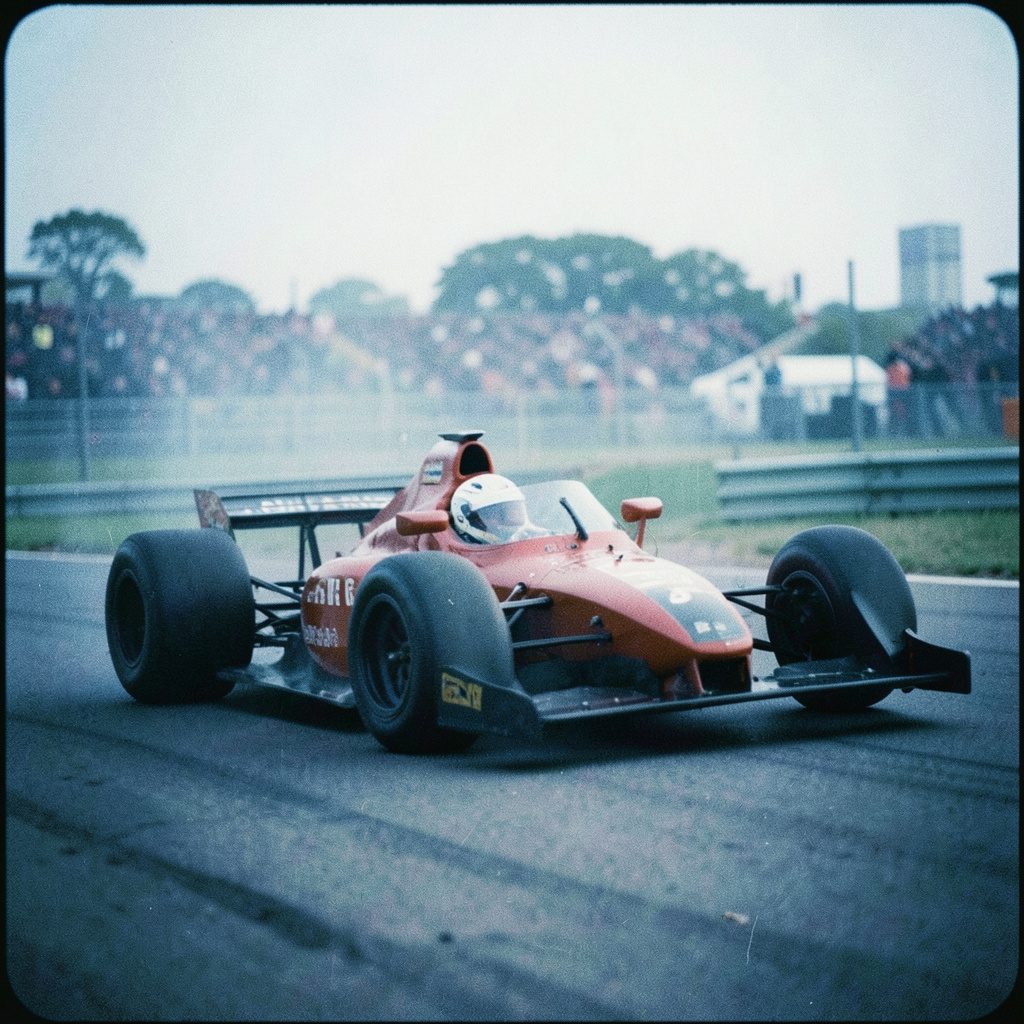
Bike Race 2: the most difficult levels and how to beat them
Bike Race 2 can look like a straightforward speed game. Steering, accelerating and collecting coins are easy to understand, while the early courses provide room to learn. The real test appears when traffic thickens, corners tighten and every loose coin pulls the rider towards a less predictable line. Success then depends on restraint, timing and a repeatable routine.
The toughest stages are rarely won by holding the accelerator down continuously. A reckless burst of speed reduces reaction time, while a well-timed burst after a corner can preserve momentum without causing a crash. Players also need to decide which collectibles are safe, which jumps are worth attempting and when an opponent should be allowed to move ahead.
For Australian players, the game fits comfortably into short browser sessions. Families in Sydney, Melbourne, Brisbane and other cities often use phones or tablets during supervised breaks, train-station waits or quiet periods at home. Free, browser-based entertainment is useful in a price-conscious market where households may share devices or manage limited mobile data.
A game resemblance to real riding should never replace knowledge of road safety. Bicycle helmet requirements differ between Australian states and territories; for example, Queensland requires helmets for riders of every age, while other jurisdictions apply age thresholds. Players should always check current local rules. Inside Bike Race 2, however, the immediate objective is simpler: finish each course without crashing.
Why the hardest courses punish rushed decisions
Difficulty often rises through several pressures at once. A straight stretch may introduce dense traffic, followed by a corner where competitors occupy the safest line. Even a modest steering error can then become a chain reaction because the rider has little room to correct it. Treating these obstacles separately makes the course feel manageable again.
A sound race begins with scanning beyond the nearest vehicle. Look for the next corner, visible ramp, cluster of coins or rival rider before deciding where to move. Choosing a stable route in advance prevents the repeated weaving that causes most crashes. The best line may not collect the largest number of coins, but it usually offers the clearest view and the most space.
Players often lose more time after a mistake than during it. One collision can lead to frantic steering, an unnecessary jump or a second impact. Reset mentally as soon as the bike is moving again: identify the immediate obstacle, regain a straight line and resume the original plan. Blaming the handling or treating every failure as bad luck makes the next attempt less focused.
Master the controls before the final obstacle
Smooth steering is more valuable than dramatic movement. Small corrections keep the bike stable and preserve options when traffic changes suddenly. When a gap closes ahead, brake gently and move towards open space instead of forcing the bike between two hazards. Sudden movements can turn a narrow passage into an impossible one.
Corners require setup. Begin slowing before the turn, follow the outside edge where there is room and aim towards the inside only as the bike rotates through the corner. Accelerating while the bike is still sharply turned can carry it towards the boundary. The goal is not to slide around every bend; it is to leave the corner with a straight path and enough speed for the next section.
Ramps and stunts introduce another form of timing. Approach from a stable line and avoid making major steering adjustments immediately before or after landing. Optional stunts can be attractive, yet they are rarely worth slowing the bike or landing in front of traffic. On the hardest levels, completing the course cleanly takes priority over collecting every available reward.
Break each difficult level into manageable zones
A long course becomes easier when it is divided into short targets. Treat the opening stretch as a warm-up, the traffic cluster as one obstacle and each corner-and-jump combination as a single unit. This makes failures easier to diagnose and prevents a mistake near the end from colouring the entire run.
Traffic requires patience. Choose a gap with enough room for the bike to remain stable, then commit to it rather than changing direction repeatedly. The gap between two vehicles may look generous at speed but disappear quickly when one changes position. Use braking to create time, not as a substitute for selecting a safe route.
After a demanding run, adults can browse Reef Spins options for a different kind of browser break, while younger players remain on the child-friendly catalogue. Returning to Bike Race 2 with fresh attention often produces a better result than continuing immediately after several failures.
Match your tactic to the challenge
Different hazards require different priorities. The most useful approach changes from a tight bend to a crowded road, while a coin route or rival rider demands another response.
| Challenge | Best opening move | Common mistake | Winning focus |
|---|---|---|---|
| Tight corner | Brake before turning | Braking while turning sharply | Carry speed onto the exit |
| Traffic cluster | Select one clear gap | Squeezing between vehicles | Patient, steady progress |
| Narrow edge | Stay centred and reduce speed | Drifting towards the boundary | A clean, uninterrupted line |
| Coin trail | Follow the safest arc | Chasing every coin | Reward without added risk |
| Rival rider | Hold a stable line | Weaving repeatedly to pass | Finishing without a collision |
| Jump or ramp | Approach in a straight line | Steering during the landing | Control and alignment |
These priorities are connected rather than competing. A slow, narrow route may collect fewer coins but survive an early corner. A faster line through traffic can work once, yet fail repeatedly if the same vehicles arrive in the same order. Consistent tactics matter more than occasional perfect runs.
Watch for the moment when a crash becomes likely. If the bike is already moving sideways, correcting the earlier mistake is safer than trying to rescue the situation at the last instant. Missing a coin or finishing behind a rival costs less than restarting the whole stage. The hardest levels reward riders who protect their route first and pursue extras second.
Build a repeatable winning routine
Preparation can be surprisingly simple. The same patient approach applies across the wider site: this guide to Super Stack mistakes shows why correcting one habit is often more effective than making several random changes at once. A Bike Race 2 run benefits from the same discipline.
- Learn one clean route before attempting every collectible.
- Brake early for corners and use shorter steering inputs.
- Commit to one traffic gap instead of weaving between options.
- Keep the bike straight before ramps, then prioritise a controlled landing.
- Treat a close call as a reset point rather than an invitation to accelerate.
- Record where repeated failures occur and practise only that section.
A useful practice session has a narrow goal. If the same crash happens beside a particular obstacle, replay that part with slower steering and a wider approach. If coins cause unnecessary risk, ignore them for several attempts. Focused repetition builds confidence without turning practice into another high-speed scramble.
Open Bike Race 2, select the course that has caused the most trouble and give it three calm attempts. Follow the routine, judge each obstacle before reacting and prioritise a complete, controlled run. Once the finish feels repeatable, return for coins, overtakes and stunts with a cleaner technique.