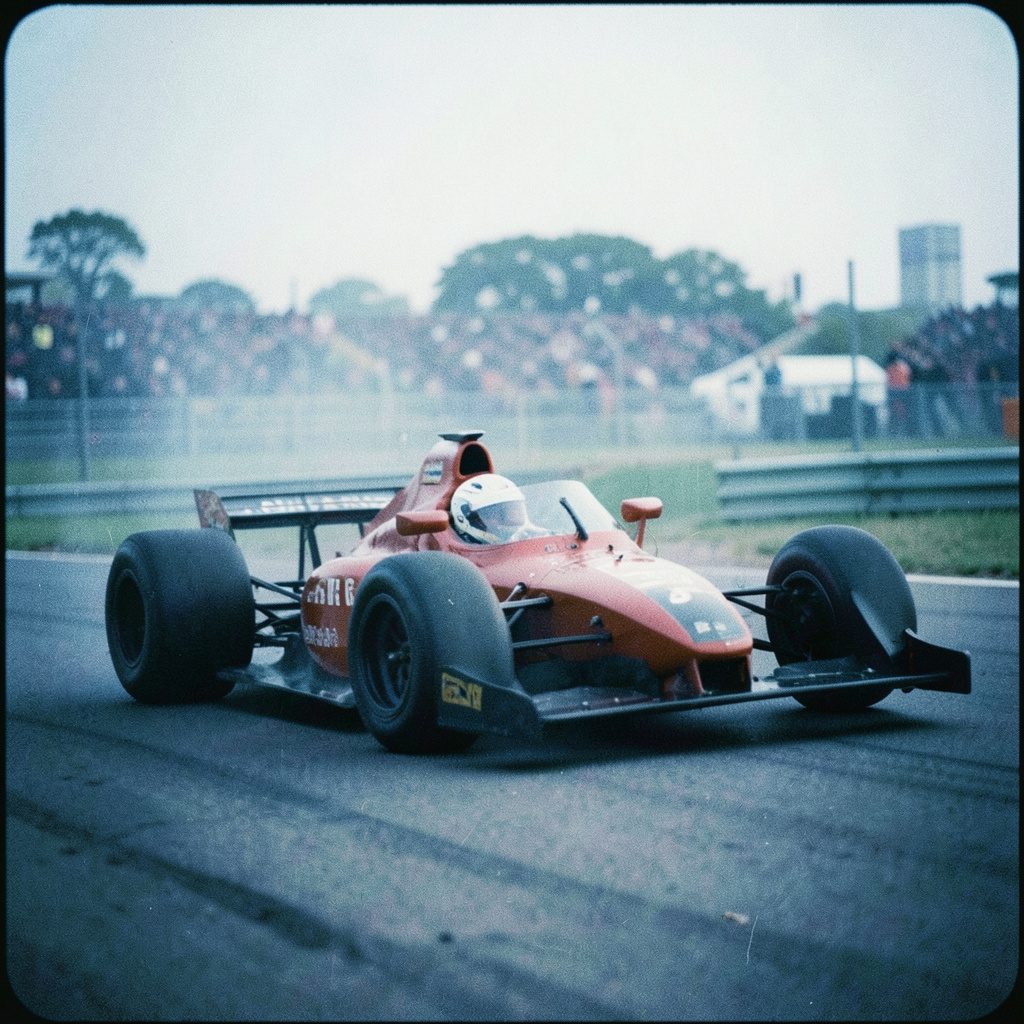
Driving games: different terrains and how to handle them
Driving games become far more than competitions to finish first. A smooth racing circuit can teach acceleration and clean cornering, while gravel, mud, sand or standing water introduces problems that demand patience and careful control. The scenery may change, yet the essential challenge remains consistent: reading the route, judging available grip and choosing the right moment to accelerate, brake or steer.
Sealed roads provide predictable traction, painted lines and clear braking points. Loose gravel reduces grip and hides ruts, while heavy rain can create slippery surfaces with little warning. Sand adds resistance and can bury a wheel, and mud makes steering feel heavy. Each surface therefore changes how quickly a vehicle stops, how sharply it corners and how much time the driver needs to react.
For Australian players, these differences feel especially relevant. Vehicles travel on the left, road rules cover give-way situations, and both urban traffic and regional journeys present distinctive challenges. Sydney’s stop-start streets, Melbourne’s tram corridors and long routes across regional Australia all provide useful examples of why real driving knowledge can improve the decisions made in a browser-based game.
The strongest driving games teach these adjustments without turning every mistake into a failure. They reward smooth throttle control, sensible braking and a clear route. They also allow casual players to experiment safely, compare approaches and build confidence across environments before applying the same principles to a more difficult course.
Why terrain changes every turn
Terrain changes grip before it changes speed. On smooth bitumen, a vehicle can usually brake later, turn more sharply and transmit power to its tyres with less interruption. Gravel or mud interrupts that connection, so the same steering input can produce a wider path or a gradual slide. A driver who ignores the surface may believe the vehicle is faulty when the real issue is poor traction.
It also changes visibility. A dust cloud can hide the next corner, deep tracks can pull the vehicle sideways and water can erase painted markings. Blind corners require slower entry speeds because the available stopping distance is uncertain. Looking farther ahead becomes more important than making an immediate turn, particularly when the route continues uphill or beyond a crest.
Good control is built through small inputs. Progressive braking stops a vehicle from losing balance, while moderate throttle reduces wheel spin on loose ground. Steering should follow the prepared line rather than react wildly to every bump. These habits work across many driving games because they are based on timing, balance and anticipation rather than one particular control scheme.
City roads and sealed suburban routes
City courses compress a driving challenge into a small area. Lane markings, intersections, parked vehicles and pedestrians can appear quickly, particularly during the busy periods that shape traffic in Sydney, Melbourne, Brisbane and other Australian cities. A driver must scan far enough ahead to avoid blocking a junction, preserve an escape route and choose a safe place to slow down.
Melbourne’s tram corridors introduce another visual and timing element. Rails, tram stops and passengers waiting near the roadway demand patience, especially in driving games that model busy Australian streets. Drivers should follow the marked path and avoid assuming that open space beside an obstacle is safe. Clear communication through predictable movement is just as important as speed.
Road rules also shape responsible play. Many Australian school zones are signed at 40 kilometres per hour, while seat-belt requirements and restrictions on mobile-phone use apply across the country. Penalties and exact details vary between states and territories, but the broad message is consistent: traffic laws exist to protect everyone. Families can extend this theme with a road-rule quiz or by inventing hazards for a small homemade course. Tabletop game ideas can help prompt that offline activity before the next virtual drive.
Gravel roads, sandy tracks and heavy rain
Gravel rewards a completely different rhythm. Small stones shift beneath the tyres, ruts guide the route and dust reduces visibility. Sudden steering or full throttle can break traction, so steady speed and gentle corrections create more control. Drivers should choose a line with firmer ground when possible and brake before the loose surface begins if the vehicle allows it.
Rain transforms familiar roads into unpredictable surfaces. Wet bitumen may offer less grip, while runoff can carry mud, leaves or gravel across the lane. Water gathered in a depression can cause hydroplaning, and deep ruts may redirect the vehicle without warning. Increasing following distance and reducing speed are safer responses than relying on a sudden change of direction.
Australia’s weather range adds another layer. Queensland can experience intense downpours and flash flooding, while other regions face dry heat, dust storms or bushfire-related closures. Floodwater should never be treated as a shortcut in a real journey or a game objective. Choosing a raised route preserves momentum and reflects sound real-world judgement.
Kizi2games suits children and casual players with free browser-based entertainment across racing, sports, action, puzzles and strategy. Its browser gaming picks include Bike Race 2 and other titles suited to short sessions, allowing players to practise different surfaces without downloading software or committing to a long competition.
Match the vehicle and route
The right vehicle matters because every design responds differently to the ground beneath it. A small racing bike may feel agile on tarmac yet struggle for grip on loose gravel. A heavier vehicle can feel stable in a straight line but need more room to stop on a wet surface. Vehicles with stronger suspension may handle bumps better, while high ground clearance can help on rutted tracks.
Players should adjust their expectations as well as their controls. Sand requires momentum, but excessive speed can bury the wheels or cause the vehicle to lose straight-line stability. Mud benefits from smooth steering and controlled acceleration, while deep water should be avoided when an alternate route exists. Reading the environment is often more valuable than selecting the highest possible setting.
Distance and stopping space matter on long regional routes. Australian journeys may connect sealed highways with shorter unsealed sections, and a smooth run can place a driver near the limit before conditions change. Saving a little speed before gravel or rough terrain provides more control later. Strategic pauses also have value, as shown by the careful positioning and timing involved in advanced battleship tactics.
Compare terrain techniques and practise
A clear comparison helps players recognise what each environment demands. The important variables are traction, visibility, resistance and stopping room. A useful routine is to identify the surface, select a safe speed, choose the line and make one measured adjustment at a time. Repeated runs then reveal whether the approach produces control or merely encourages risky corrections.
| Terrain | Main clue | Vehicle setup | Handling approach | Common mistake |
|---|---|---|---|---|
| Sealed tarmac | Grippy surface and clear lines | Balanced power with responsive steering | Brake before the turn and apply throttle progressively | Entering too fast with no room to correct |
| Wet tarmac | Reflections, spray or reduced markings | Softer inputs and earlier braking | Lower speed and increase following distance | Sudden braking near a hazard |
| Loose gravel | Dust, stones and uneven ruts | Stable steering and controlled acceleration | Keep speed moderate and make small corrections | Spinning the wheels or steering sharply |
| Soft sand | Deep tracks, drag and sinking wheels | Strong pull and steady momentum if available | Choose firmer ground and maintain direction | Revving while the wheels are buried |
| Mud or floodwater | Heavy steering, standing water or obscured route | Low-speed control on safe ground only | Slow down and choose a raised alternative | Entering unknown water to save time |
Put this routine into practice during the next driving session. Choose Bike Race 2 or another suitable title, select a course with a surface different from your previous run, and focus on smoother inputs rather than a faster result. Notice where the vehicle loses traction, brake earlier when appropriate and carry controlled speed into each obstacle. Repeating the challenge across tarmac, gravel and rain will turn terrain awareness into a dependable driving habit.