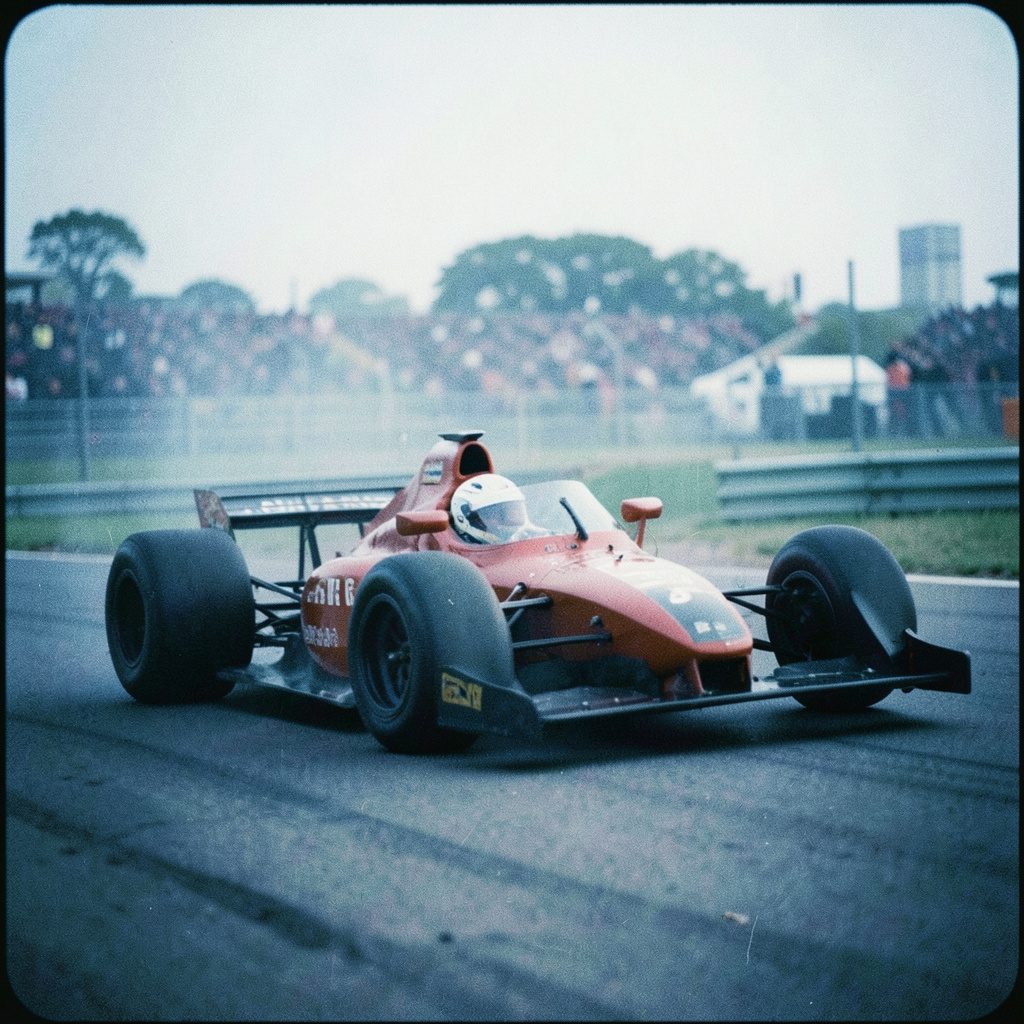
Driving game fuel and pit stop skills
Driving games: fuel management and pit stop tips turn a straightforward race into a chain of choices about speed, braking and when to spend a tank of fuel. Kizi2games.org gives children and casual players access to free browser-based racing titles, including Bike Race 2, where practice is quick, repeatable and safe. The basic goal is simple: arrive with fuel left, protect the car, and make every stop count.
Not every game displays a fuel gauge or pit lane. Some arcade racers handle refuelling automatically, while simulation-inspired challenges may ask players to watch consumption, tyre wear and race position. That difference matters. A child learning to ease off before a bend may gain more from a cornering habit than from a complicated setup screen. For Australian players, watching a fuel needle also feels familiar because petrol stations, long country drives and the cost of keeping a car moving are ordinary parts of local life.
Why fuel management changes a race
Fuel is both a resource and a weight. In games that model consumption, hard acceleration, top-speed running and constant corrections use more petrol than a controlled lap. Carrying too little can end a convenient racing line at the verge, while carrying too much may reduce acceleration, lengthen braking distances and make the car feel sluggish. The right quantity is not what the tank can hold, but what the rest of the course requires.
Read the gauge as a range forecast rather than a promise. If the display falls faster during a downhill sprint than on a flat cruise, estimate the burn per lap before choosing a pit stop. The same habit appears in many rule-driven games: a broader look at tabletop RPG mechanics shows how players plan around systems rather than reacting to every moment in isolation.
Australian conditions add useful context. Traffic travels on the left, most cars have the steering wheel on the right, and speeds and distances are measured in kilometres. School zones commonly display 40 km/h, while stop-start traffic around Sydney, Melbourne and Brisbane rewards smooth acceleration more than repeated hard launches. Drivers also choose between unleaded 91, 95 and 98 octane petrol or diesel, and prices can differ noticeably between metropolitan and regional areas.
Driving smoothly to save fuel
A smooth lap creates fuel savings without requiring the player to crawl. Brake earlier for a corner, carry enough speed through the turn, and avoid accelerating again until the wheels are pointing in the right direction. In a vehicle simulation, this may reduce both petrol use and tyre wear. In an arcade title, the same technique can preserve speed and prevent damage, even when there is no visible consumption meter.
Games with checkpoint challenges can also reward patience rather than panic. If a course becomes frustrating, the site's level-solving guide may help with route pacing before you return to fuel strategy. Spending too long fighting a corner usually costs more than taking a safer line at moderate speed.
Useful in-race moves include:
- Ease off the accelerator before a sharp bend instead of braking while already at full speed.
- Follow a consistent racing line to avoid sudden corrections and wasted energy.
- Use short bursts of acceleration rather than holding the throttle down on a straight.
- Avoid unnecessary overtaking attempts that cause repeated braking and acceleration.
- Draft behind another vehicle only when the game supports slipstreaming and the gap is safe.
Tyres, road position and fuel use are closely connected in many driving games. A damaged wheel may increase drag, while a car sliding at low speed can waste more petrol than expected. Keeping the vehicle stable helps every system work together. A clean lap built around control is often faster once fuel, grip and race duration are considered together.
Planning a pit stop that preserves momentum
A pit stop should be treated as part of the race, not as an interruption placed after a poor opening lap. Short events may finish without refuelling, while endurance races reward a planned first stop and a carefully timed second one. Before entering the pit lane, check how many laps remain, how quickly the fuel gauge is falling and whether tyre damage will affect the next stint.
When a game includes a speed limiter, use it as intended. Entering too quickly can force a sudden stop that costs momentum. Select only the fuel needed to reach the finish or the next stop, since an overfull tank adds weight. If tyres can be changed, inspect the wear indicators first. Some arcade games require all four tyres to be fitted, whereas simulation-style titles may reward matching a new set to the expected conditions.
A dependable pit routine includes:
- Check the fuel gauge, race position and remaining distance before committing.
- Move aside early to prevent unnecessary traffic and avoid blocking faster cars.
- Follow the pit-lane speed limit and release the accelerator smoothly.
- Refuel only enough to cover the next planned stint.
- Change damaged tyres, then build speed gradually when rejoining the track.
The exit matters as much as the stop. Hard acceleration can overload the tyres or waste fresh fuel, while cutting across another vehicle may cause a collision. Use the space provided, watch for cars already on the pit lane and merge only when the gap is clear. Saving several seconds through a smooth stop can be more valuable than gaining a fraction of a second elsewhere.
Comparing arcade and simulation racing
Arcade racers generally prioritise immediate action. They may provide a small fuel reserve, automatic refuelling or no refuelling at all, so the central challenge is control, collision avoidance and maintaining speed. Simulation-inspired titles add more variables, including fuel consumption, vehicle weight, tyre wear, damage and configurable stops. Each system calls for a different balance of risk.
The useful distinction is less about realism than about available information. A casual player can learn the track through repeated clean laps, while a simulation player may calculate consumption per kilometre and preserve a safety margin for traffic or weather. The same driving principle supports both styles: reduce waste before asking for extra performance.
These formats reward different habits:
| Racing style | Fuel and pit features | Main advantage |
|---|---|---|
| Arcade racer | Simple gauges, automatic stops or short races | Fast learning and immediate action |
| Simulation racer | Consumption, damage, fuel settings and tyre wear | Detailed strategy and long-term control |
| Endurance challenge | Repeated stints and carefully planned pit windows | Strong time management across changing conditions |
| Casual time trial | Little or no stopping | Clean laps, precise lines and consistency |
Choose the format that matches the information the game actually provides. Watching an invisible fuel meter is unnecessary if refuelling happens automatically. Conversely, a detailed gauge deserves attention when every litre changes acceleration and race duration. Reading the interface correctly prevents wasted effort and keeps attention on the road.
Take your strategy to the next race
Australian long-distance driving offers a useful mental model for endurance races. The journey from Melbourne to Adelaide covers roughly 635 kilometres, while remote routes through the Northern Territory can involve long gaps between services and road trains sharing the highway. A sensible driver checks range, avoids unnecessary revving and keeps enough fuel for the unexpected. The same logic works in a game, although the distance is measured in laps rather than kilometres.
Watch for local driving cues that can translate into game habits. Left-hand corners, 40 km/h school zones, Melbourne tram routes and kangaroo activity around dawn or dusk all call for anticipation. Waiting at the right moment is often safer and more efficient than reacting at the last moment. That habit also helps when traffic bunches up near a corner or a faster car appears just before a pit entry.
Browse the site's new browser games, choose a driving challenge, and complete one race with a deliberate fuel plan. Keep the throttle smoother, preserve your reserve, and time any pit stop before the next bend. Then return for another attempt and turn every clean lap into a better race strategy.