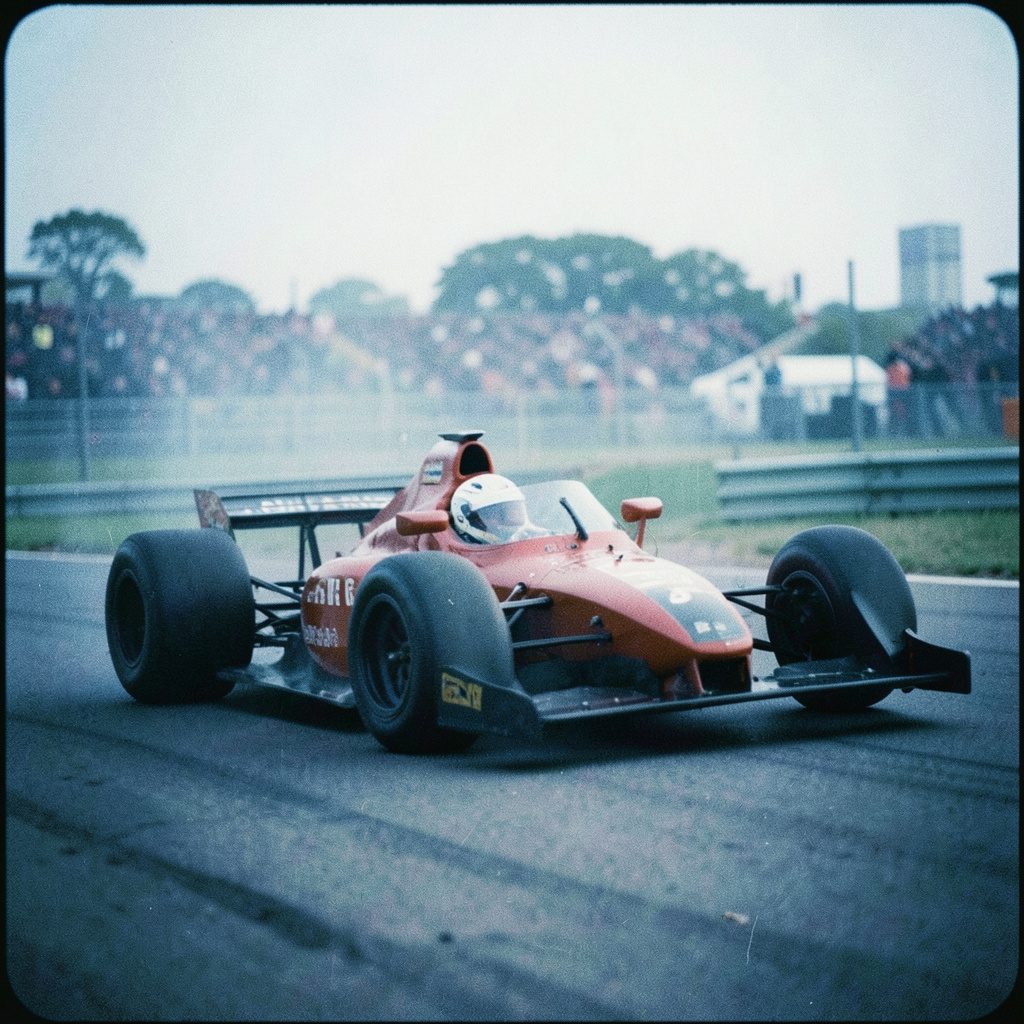
Faster laps in browser racing games
Learning how to improve your lap times in browser racing games is less about holding the accelerator down and more about making every corner repeatable. Whether you ride a motorbike, drive a kart or pilot a stunt car, faster laps grow from clear braking points, smooth steering and calm decisions. These skills translate directly to the quick challenges available on Kizi2games, where a few focused minutes can be enough to shave seconds from your best run.
Australian players bring useful habits from a country that drives on the left, measures road speed in km/h and often navigates tight suburban streets. Race games may reverse that expectation, so check the track orientation before your first lap. You can also borrow the spirit of Melbourne’s Grand Prix crowds and the sweeping curves imagined around Sydney Harbour, turning familiar places into memorable mental landmarks.
The biggest trap is treating every lap as a fresh attempt. A quicker time often comes from removing tiny errors: braking a fraction too late, clipping the inside of a bend, lifting when the track is already straight, or crossing the finish line with a messy line. Consistent laps create a foundation that can be improved safely, while reckless shortcuts usually cost more time than they save.
Start by choosing one browser racer and learning its controls, then work through a simple routine: observe, drive, review and adjust. Keep your sessions short enough to stay focused on a shared family device, and the no-download format suits many Australian players using shared devices or mobile connections. Treat a personal best as progress rather than a verdict. Small experiments are easier to remember and repeat than one frantic run built around perfect timing.
Set a baseline and learn the track
Open a racing title such as Bike Race 2 and complete three unforced laps before changing anything. Record the best time, the braking point that felt right and where momentum disappeared. This baseline turns vague advice into a useful comparison, helping you see whether a later corner, a slower hairpin or a weak finish is holding you back.
Walk the circuit in your mind between attempts. Mark the final braking marker, the apex and the point where full acceleration returns. For extra practice ideas, race technique guidance can support deliberate drills, but the fastest progress comes from changing one variable on each run: entry speed, line or throttle.
Brake earlier and carry cleaner speed
Most lost time occurs before the apex. Brake in a straight line, release the control as the car turns in and avoid adding steering while the tyres are still fighting the previous direction. With keyboard controls, use short, repeated brake inputs rather than one long tap; with touch controls, release the brake cleanly before the steering reaches full lock.
Try a wider entry and a later apex. The car may briefly feel slower, but it should leave the bend with more speed and point toward the next straight. Avoid weaving across the track to seek the shortest distance. A smooth arc usually produces a faster lap than a sharp, unstable dash, especially when the next corner arrives quickly.
Commit to a smooth racing line
After the apex, look toward the exit. Keep the car balanced, avoid abrupt corrections and begin accelerating before the wheels have fully straightened. On long straights, gather every metre of available speed; before a bend, gather enough information to choose the right braking point. A racing line is a plan for the whole corner, not merely the shortest route through it.
Use the minimap, if the game provides one, to plan a passing move, collectible route or legal shortcut. The fastest route is not always the quickest route. Cutting a narrow gap may force a sharp correction, while staying on the main track can preserve momentum for the following turn.
Compare the main choices side by side:
| Focus | Controlled choice | Aggressive choice | Better lap-time outcome |
|---|---|---|---|
| Braking | Brake early in a straight line | Brake at the last possible marker | Controlled braking leaves the car balanced for the apex |
| Corner entry | Use a wide entry and late apex | Take a short route to the apex | A balanced line carries more speed towards the next straight |
| Acceleration | Wait until the wheels are straight | Lift early and power out | Smooth throttle prevents wasted movement and spin-outs |
| Recovery | Reset after a minor error | Save the run at any cost | A controlled reset protects the following corners and can save the lap |
Build focus with simple mental cues
Give each corner a short cue: “brake, turn, drive” is enough for a hairpin, while “late, lift, power” can describe a faster bend. Repeat the same sequence on every lap so your hands learn it without conscious thought. This rhythm reduces hesitation and helps younger racers or first-time players stay calm when another car draws close.
Sharp focus also supports reaction time. The benefits of puzzle games explain how short logic challenges can train attention and pattern recognition, useful skills for remembering braking markers. A quick puzzle break can refresh your eyes before another set of laps, but keep it brief so your hands stay ready to play.
Short drills for sharper speed control
Long practice sessions often reveal less than focused drills. Choose one weakness, repeat a simple exercise and stop while your technique is still clear. In a browser game, that makes another attempt easy, but it also removes the pressure to keep driving after your attention begins to drift.
Use these braking and corner-entry drills:
- Brake at the same marker for five passes, then move the braking point back by a small amount.
- Trace the ideal line with slow steering before adding any throttle.
- Compare an early apex with a late apex over three laps each.
- Reset after a small mistake and concentrate on protecting the next corner.
Finish with these consistency and reflex drills:
- Chain three clean corners together before allowing full acceleration.
- Read each corner’s brake, turn and drive cues aloud or silently.
- Keep the car within one narrow lane through a chicane.
- Finish a race without sudden steering corrections on corner exits.
Change only one variable in each drill. If speed rises but the line becomes messy, the braking point was probably too aggressive. Aim for repeatable control first; greater pace will appear when the car reaches the next corner in the same balanced state every time.
Read each lap for useful clues
Watch the replay or compare sector times if the game records them. Divide the circuit into braking zones, corners and straights, then ask which section lost the most time. A lap can look fast from the driver’s seat while being slow around one corner, so objective markers prevent you from guessing.
Record simple notes: braking was late, the exit was straight, or a shortcut caused a spin. Repeat successful choices in the next attempt and change just one failing habit. When a familiar course stops revealing new details, browse new browser games for another circuit with different corner spacing and collectible challenges.
Use distance and speed as the game presents them. Many titles show metres and km/h, matching Australia’s metric road system, but their tracks are often compressed. A 40-metre braking distance on screen may represent a much longer real-world gap, so rely on the in-game marker rather than converting it with ordinary road rules.
Turn the session into a three-lap plan
Build the next session around three intentions: learn the circuit, repeat the best line and finish without forcing an improvement. Start with a clean reference lap. On lap two, copy your strongest braking points. On lap three, carry only the changes that produced a balanced car, and ignore the urge to chase a hero result.
If the first attempt spins, do not change the whole setup. Return to the last clean section, make one adjustment and give the next corner more space. This approach works for quick challenges and longer career modes, and it keeps practice constructive whether you play on a laptop, a shared tablet at home or a phone during a short break.
Ready to put the plan into practice? Open Bike Race 2 or another racing game on Kizi2games and set three laps as your first goal. Record your baseline, complete the drills and celebrate any improvement in your average pace. Then try one more track or game, because each new layout gives your improved braking, cornering and acceleration another place to shine.