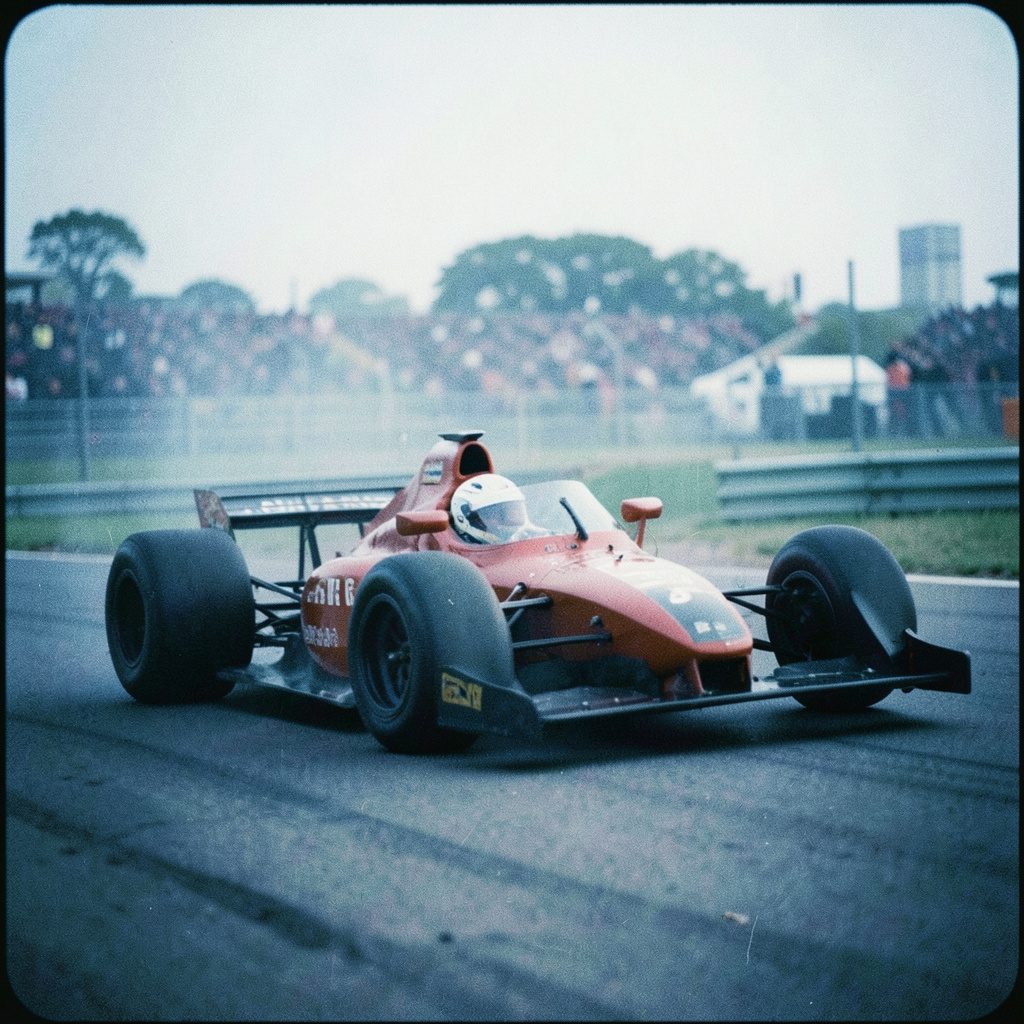
How to master the perfect start in racing games
A quick start in a racing game is more than mashing the accelerator while the countdown runs. It is the moment your braking, gears, steering and attention come together. Get it right and you carry extra speed into the opening bend, avoid forcing an early overtake and keep your vehicle in a stable, predictable line. Get it wrong and the race turns into a recovery job, with rivals filling the mirror and every corner feeling harder than it should.
Casual browser racers do not need advanced motorsport theory. They need a few repeatable cues that work across racing, driving and action games. Learning the launch rhythm, identifying the first braking point and choosing a sensible difficulty gives you more enjoyment without turning every session into a contest of reflexes. The aim is control first: a clean first lap, a clear racing line and enough confidence to try again.
Treat the countdown as part of the race
Before the green light, park your attention on the track rather than on the timer. The instant before movement is a useful checkpoint. Check that the vehicle is pointing into the lane, the road ahead is clear and your fingers or thumbs are ready on the steering control. This sounds basic, but it stops small errors from becoming a crowded first corner.
Study the scene while the countdown runs. Notice where the first turn sits, which side of the road it occupies and whether another racer could approach from either side. Some tracks hide a braking marker behind the steering wheel or a dashboard icon, so a brief glance at the control instructions can save repeated spins. Your first goal is not raw speed; it is a smooth arrival at the opening corner.
Rehearse the input sequence without moving. Imagine the accelerator, steering and brake inputs you will use, then keep that pattern for the real launch. Games with a practice option are ideal for this, while others are easier to learn through a short time trial. The consistent rhythm should feel familiar before the pressure of a rival appears.
Control the throttle, brakes and early gears
A strong launch depends on balance. Pressing every control at once can lock a wheel, break traction or send the vehicle wide, while excessive caution can leave you stranded behind the pack. Read the game’s acceleration cues and try a moderate input that lets the vehicle move cleanly. If it drifts or bounces, release and reapply more gently rather than adding more speed. If the game includes manual gears, wait for the recommended shift cue before changing up.
Your control method also matters. A keyboard gives you clear separation between steering and acceleration, a controller offers smoother, proportional steering, and a touchscreen needs a steady thumb with adequate space around the action buttons. Pick the method that reduces accidental inputs. Younger players can begin with a slower setting and fewer rivals, because finishing a lap teaches more than a fast start followed by a crash.
Use familiar Australian road habits as a mental rehearsal: give way at roundabouts, signal your intentions and leave a safe following distance. In a racing game, those habits become spacing, anticipation and choosing the safe line. They also make the experience feel grounded. On a shared family tablet, keeping the action predictable is especially useful during the long stretch of a school-holiday afternoon.
Read the track before the lights go out
The first corner is the real test of an opening lap. A quick launch that ends with understeer, where the vehicle pushes wide, gains very little; a controlled entry lets you carry momentum through the turn. Look for the braking area, turn in when the vehicle settles and then accelerate out. If the corner is tight, an early brake is often cheaper than a dramatic slide that costs several seconds.
Traffic changes the plan. Before you accelerate, check the inside and outside lanes rather than assuming the space beside you is open. A clean overtake depends on a gap, a clear exit and a rival who has not already moved into your line. When the pack bunches up, prioritise a tidy first lap over an immediate lead. Position is easier to protect than a damaged rhythm.
Real road experiences offer useful observation for practice. Melbourne’s hook turns reward checking blind spots and cross traffic. Sydney’s harbour crossings can turn slippery after rain, making braking less predictable. Brisbane’s sudden summer downpours can hide lane markings, while Perth’s dry, hot afternoons make long straightaways a test of controlled acceleration. These details sharpen awareness: scan, anticipate and adjust.
Match your setup to the player you are
Racing games are not all built around the same reflexes. Some favour precise steering, others demand rapid braking, and plenty of casual titles focus on fun scenery or simple objectives. Choose a race that matches the controls you understand and the pace you can sustain. If overtaking feels frantic, practise on an empty track or lower the difficulty until the rhythm feels natural.
Short goals make progress easier to see. Instead of trying to win every race, aim to hold one clean launch, reach the first corner without crossing the outer edge or finish a lap without contact. These targets are specific enough to repeat and flexible enough for different levels. On Kizi2games.org, titles such as Bike Race 2 offer a place to test the habit in short, repeatable sessions.
For younger Australian players, the browser format suits family downtime on a shared laptop or tablet. Keep sessions comfortable, use a clear control layout and let practice mode handle mistakes without pressure. On a day when the brain needs a different challenge, the strategy games collection on Kizi2games.org provides an easy change of pace.
Compare race formats for different skills
Different formats reward different habits, so choose the one that trains the skill you want to improve. A format with fewer opponents leaves more room to study braking points, while a busier grid makes traffic awareness the priority. Change only one variable at a time; otherwise, a poor result may reflect the difficulty or vehicle choice rather than your launch technique.
| Race format | What it tests | Best skill to practise |
|---|---|---|
| Time trial | Consistency | Repeatable launches |
| Head-to-head sprint | Reaction and positioning | Clean first-corner entry |
| Longer circuit race | Pace management | Saving the vehicle for later laps |
| Casual obstacle race | Quick decisions | Steering and recovery |
| Multi-player race | Traffic awareness | Avoiding contact and finding gaps |
Varying the format can expose habits that a single event hides. You may launch cleanly but brake too late when an opponent appears, or finish an empty lap yet lose position in traffic. For a wider browser-game break, Genericcia’s game collection offers another place to step away from the starting grid and return with fresher eyes.
Treat each format as a practice partner rather than a verdict on your skill. Record what happened after the lights, not just your finishing position. Did the launch feel smooth? Did you release the accelerator before the turn? Did traffic force a change of line? When you know which part needs work, your next session has a clear purpose.
Build a repeatable launch routine
Consolidate the useful cues into a short routine that works for most races. Keep it simple enough to remember under pressure and flexible enough to adjust when the track or grid changes.
- Prepare the lane. Check the road and your position while the countdown runs, then keep the vehicle aligned with the intended first turn.
- Find the reference point. Choose one visual marker for the launch or braking area so you do not rely on a last-second glance.
- Use smooth inputs. Apply acceleration with a controlled touch, pause when the vehicle reacts unevenly and avoid fighting a slide.
- Look beyond the car. Read the first corner, scan for gaps and decide your racing line before the pack compresses.
- Protect the first lap. Prefer a tidy corner and stable exit over an aggressive move that risks contact or a spin.
- Review one detail. After each run, note the single cue that helped or hindered you, then test that cue in the next race.
Practice should be brief and purposeful. One run to identify a problem, one to correct it and one to confirm the change is enough. This approach suits casual players because it turns a fast-moving game into a manageable skill without demanding hours of training.
Choose Bike Race 2 or another racing title on Kizi2games.org, run the routine three times and finish with one deliberate, confident launch. A strong opening lap begins with a few calm seconds, and every short session gives you another chance to make those seconds count.