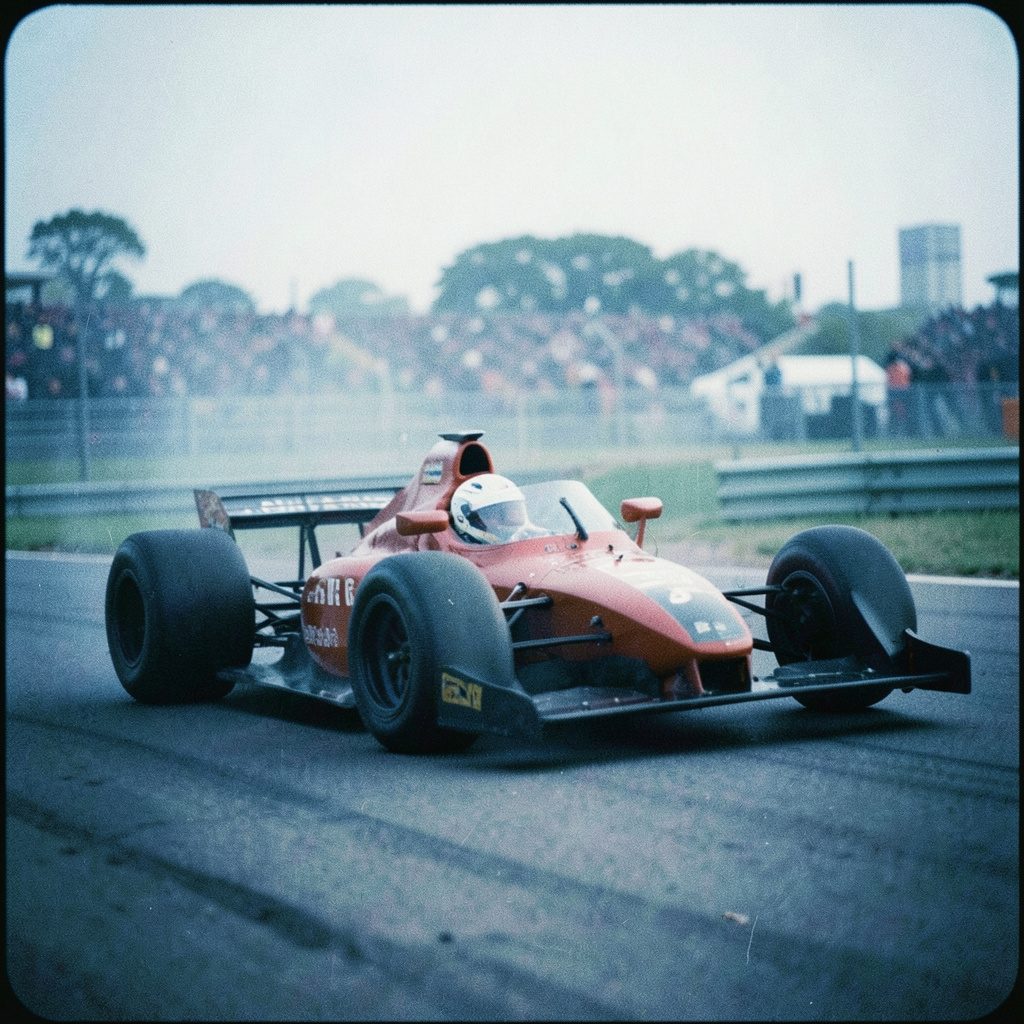
Racing games for beginners: your guide to staying on track
Browser-based racing games have carved out a massive following among casual players, and it's easy to see why. The thrill of weaving through traffic, hugging tight corners, and crossing the finish line first delivers an instant rush without the commitment of a full console title. For newcomers, though, the learning curve can feel steep, and crashing on the first lap is a rite of passage that almost everyone experiences.
The good news is that modern racing games for beginners are designed with forgiveness in mind. Whether you're spinning out on a dirt track or tapping the barrier on a hairpin turn, most titles offer generous reset options and helpful tutorials. This makes the genre perfect for short play sessions, whether you're killing time on a break or winding down after a long arvo at work.
Australian players have always had a soft spot for anything involving speed and competition. With events like the Bathurst 1000 and the Melbourne Grand Prix capturing national attention, the appetite for virtual motorsport is strong across the country. Many local players also have a deep connection to iconic drives like the Great Ocean Road or the Stuart Highway, which makes digital renditions of these routes especially appealing.
The key to enjoying these games is understanding the fundamentals before you start flooring the accelerator. Braking too late, taking corners too wide, or underestimating the grip of your tyres are mistakes that can be avoided with a bit of know-how. The following sections will walk you through the essential techniques that separate rookies from seasoned virtual drivers.
Getting comfortable with your controls
Before you worry about winning, spend time getting a feel for the buttons or keys at your disposal. Most browser racing games use a simple combination for steering, acceleration, and braking, but the sensitivity of each input can vary wildly. Some titles use a gradual steering model where small movements translate to gentle turns, while others feel twitchy and responsive.
Spend at least a few minutes in the practice or free-run mode if one is available. This lets you experiment with how the car responds without the pressure of opponents. Try pressing the accelerator lightly instead of flooring it, and notice how the vehicle behaves. In many games, sudden bursts of power will cause the rear wheels to lose traction, especially on loose surfaces or wet roads.
For Australian players transitioning from real-world driving, remember that virtual cars often behave nothing like your daily runabout. The physics in arcade-style games are exaggerated for fun, meaning you can pull off drifts and handbrake turns that would land you in strife on a real road. Embrace the arcade feel, and don't try to drive like you're commuting through Sydney traffic.
Learning the racing line
The racing line is the optimal path around a track, and understanding it is the single biggest factor in avoiding crashes. It typically involves entering a corner from the outside, hitting the apex, and exiting on the outside again. This allows you to carry the most speed through the bend while keeping your car balanced.
Beginners often make the mistake of cutting corners to save time, but this usually results in clipping a barrier or running wide onto the grass. The grass and gravel in many racing games are designed to slow you down significantly, so staying on the tarmac is almost always the better choice. If you do find yourself running wide, gently counter-steer rather than slamming the brakes.
Different tracks present different challenges, so pay attention to the layout before each race. Memorising braking points and turn-in locations will become second nature after a few laps. If a particular corner keeps catching you out, slow down for that section and build confidence before pushing the pace again.
Braking techniques that save your race
Braking is where most beginners come unstuck. The instinct is to stomp on the brake pedal at the last moment, but this locks the wheels and sends you sliding toward the barrier. Instead, try to brake in a straight line before the corner, then release the brake as you turn in. This technique, known as threshold braking, is used by real racing drivers and works just as well in games.
If your car has anti-lock brakes or traction control, use them. Many modern browser games offer assists that can be toggled on or off, and leaving them on while you're learning is a smart move. You can always switch them off later when you want a greater challenge and more control over the vehicle.
Trail braking is another advanced technique worth experimenting with once you're comfortable. This involves keeping a small amount of brake pressure applied as you enter the turn, which shifts weight to the front tyres and improves grip. It takes practice, but mastering trail braking can shave significant time off your lap times.
The following comparison breaks down the most common driving assists you'll encounter in racing games for beginners. Understanding what each one does will help you decide which to keep on and which to turn off as your skills develop.
| Assist system | Function | Recommended for beginners | Impact on realism |
|---|---|---|---|
| Anti-lock brakes | Prevents wheel lock during heavy braking | Yes | Minimal |
| Traction control | Limits wheel spin under acceleration | Yes | Moderate |
| Stability control | Corrects slides and oversteer automatically | Yes | Moderate |
| Automatic gears | Shifts without manual input | Yes | High |
Common crash scenarios and how to handle them
Even experienced players crash from time to time, so don't feel discouraged when it happens. One of the most common scenarios is the pile-up at the first corner, where multiple cars converge at the same point. The best strategy is often to hang back slightly at the start, giving yourself a clear line through the chaos rather than diving into the middle of the pack.
Another frequent issue is losing control after landing from a jump. Many racing games feature ramps, hills, or uneven terrain that can send your car airborne. When you land, try to have the car pointing in the direction you want to go, and avoid turning sharply in mid-air, as this often results in a spin or a roll.
Collision recovery is also a crucial skill. If you find yourself facing the wrong way after a crash, don't panic. Simply reverse, find a clear gap in traffic, and rejoin the race safely. Wasting time trying to turn around in the middle of a pack usually leads to another collision.
Australian-themed tracks and local racing culture
Australia has a rich motorsport heritage, and many racing games include tracks inspired by local landmarks. From the sweeping curves of coastal routes to the dusty outback trails, these settings add a unique flavour to the genre. Playing on a track that resembles a drive you've done around the Gold Coast or through the Adelaide Hills creates a sense of familiarity that makes the experience more immersive.
The Australian gaming community is also known for its competitive but friendly nature. Whether you're racing in a lobby with mates or tackling time trials solo, there's a strong emphasis on fair play and good sportsmanship. Many local players participate in online communities and forums where they share tips, custom liveries, and tournament information.
If you're looking for variety beyond pure racing, the sports games category on the site offers plenty of alternatives that still feature driving and vehicle mechanics. Titles in this section often blend racing with other sports elements, giving you a fresh take on familiar gameplay.
Difficulty progression and building confidence
Most racing games offer multiple difficulty levels, and starting on the easiest setting is a wise choice for newcomers. This typically gives you more grip, slower opponents, and fewer aggressive AI drivers. As you improve, gradually increase the difficulty to maintain a sense of challenge and continue developing your skills.
Career modes and championship series provide structured progression, unlocking new cars and tracks as you advance. These modes often introduce new mechanics gradually, ensuring you're not overwhelmed by too many variables at once. Treat each race as a learning opportunity, and focus on consistency rather than outright victory.
For those who want to experience a broader range of driving-based games, exploring options like Minecraft PE mod APK can offer a different kind of creative freedom, though it sits outside the racing genre. Within racing specifically, taking breaks between sessions can help prevent frustration and keep the experience enjoyable.
Essential tips for safer racing
- Start every session in practice mode to learn the track layout and find your braking points.
- Avoid the urge to overtake on the first lap; patience often pays off with better positioning later.
- Keep both hands ready on the controls and maintain a relaxed grip to improve reaction time.
- Use the racing line as your guide, but don't be afraid to deviate when traffic demands it.
- Turn off assists only when you feel confident in your ability to control the car without them.
- Save replays of clean laps to study your technique and identify areas for improvement.
Now that you understand the basics of crash avoidance, it's time to put these techniques into practice. Pick a game that appeals to you, choose a car that feels manageable, and focus on smooth, consistent driving rather than aggressive manoeuvres. Remember that every professional virtual racer started exactly where you are now, and with a bit of patience, you'll soon be navigating tight corners and overtaking rivals with confidence. Head over to the site, select your favourite title, and start your engines today.