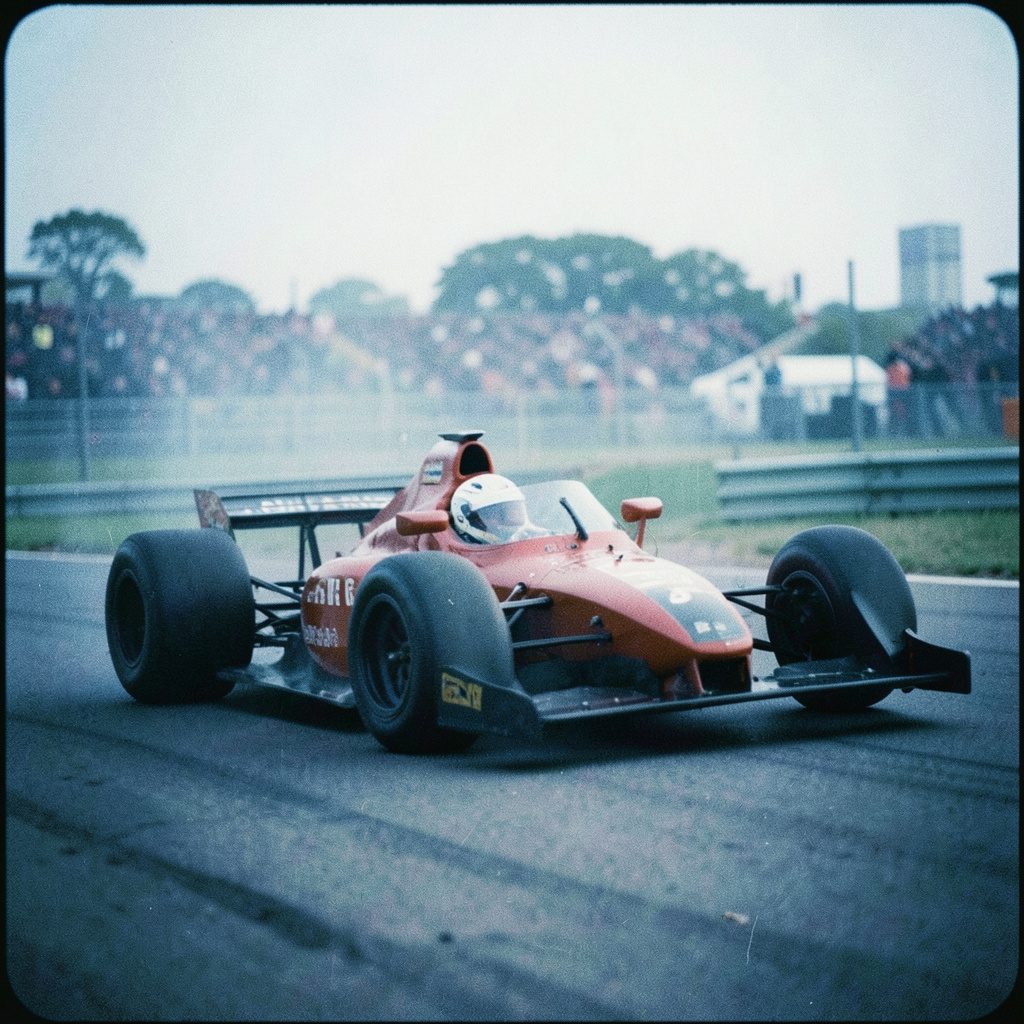
Racing games: how to use the nitro boost wisely
A nitro boost can turn a close race into an easy win, but tapping the button whenever it glows is rarely the best approach. Boost usually consumes a limited meter, and every activation may shorten the next opportunity. Learning when to spend it gives young players more control, while experienced racers can turn the same resource into a repeatable strategy.
Good boost decisions begin with reading the game rather than chasing the fastest possible acceleration. Track layout, vehicle handling, traffic, and the purpose of the boost all matter. Players who treat nitro as a valuable tool often finish races more calmly, overtake more cleanly, and have more fun along the way.
| Boost approach | Best situation | Main advantage | Main risk |
|---|---|---|---|
| Save it for a long straight | Open tracks with clear passing routes | Converts stored power into useful speed | Missing a short straight wastes the meter |
| Release after a corner | Races with sharp bends and slow exits | Strong acceleration carries the car past rivals | Using it too early reduces corner control |
| Trigger near a rival | Close finishes and slipstream battles | Creates a sudden speed advantage | Poor timing can cause a collision |
| Keep an emergency reserve | Busy tracks with unpredictable traffic | Provides a recovery option when blocked | Reserving too much reduces attacking chances |
| Use a shield-style boost | Games where nitro grants protection | Helps survive a risky overtake or impact | Protection may leave little power for later |
Reading the mechanics before you accelerate
Every game handles nitro differently. In some racing games it provides a brief burst of acceleration, while others turn it into a shield, jump, or instant speed boost. The button prompt may also require a tap, a hold, or a perfectly timed release. Check the instructions or play a short practice round before entering a competitive event.
Look for visual and audio clues such as a filling meter, coloured warning light, exhaust flare, or sound effect. These signals tell you when a boost is available and how much remains. A player who watches the gauge can usually recognise an approaching straight, corner, or traffic cluster before making a decision.
Boost is valuable partly because it is scarce. Some titles refill it through clean driving, drifting, drafting, or collecting items, whereas others refill it slowly over time. Understanding the recovery method prevents the common mistake of spending everything early and arriving at the final corner with an empty meter.
Pick the right race and vehicle
Begin with a short race on a wide circuit. Fewer bends, shorter fields, and clear lanes make it easier to see where boost helps. When choosing Bike Race 2 or another racing title, look for beginner-friendly tracks that still contain one decent straight. They provide a safe place to practise without turning every boost into guesswork.
The vehicle also changes how nitro should be used. A car with strong grip can use acceleration after a bend with greater confidence, while a lighter vehicle may benefit from saving boost until the road opens. Heavy vehicles can feel sluggish before they reach their intended speed, making an early boost on a straight more worthwhile.
Try completing a lap without using nitro first. Notice where the vehicle loses momentum, where traffic gathers, and where an opponent would be close enough to challenge. That baseline reveals whether the track rewards acceleration, careful positioning, or simply avoiding unnecessary contact.
A practical nitro boost routine
A consistent routine works even when the controls change between games. Start by treating the meter like a limited resource rather than a permanent upgrade. The aim is to reach a useful boost opportunity, not merely to move faster during the first ten seconds.
- Study each lap and identify one long straight, one sharp exit, and one safe recovery section.
- Keep the opening lap calm, since traffic and awkward starts can waste boost quickly.
- Activate acceleration close to the exit of a bend when the next road is clear.
- Use a defensive boost only when traffic blocks a valuable racing line.
- Preserve a small reserve for the final lap or an unexpected incident.
- Review each race and note whether saving or spending earlier produced the better result.
After several rounds, replace vague goals with specific ones. “Use boost twice” is less useful than “save the first burst until the back straight and keep half the meter for the finish”. A clear target makes progress visible and helps casual players learn without needing technical racing knowledge.
Turn boosts into race strategy
Offensive nitro works best when it changes the order of the field. Releasing it just before a long straight can carry a car past several rivals, provided there is enough room to avoid contact. Activating it in a narrow section may produce extra speed but leave nowhere to manoeuvre.
Defensive use requires restraint. A shield or burst of acceleration can prevent a collision or create enough space to defend a position. It can also waste the resource if the threat disappears. Strong players look at the next corner as well as the current gap before deciding whether protection is necessary.
Traffic changes the value of every burst. Following closely may provide a slipstream in certain games, but boosting while directly behind another vehicle can lead to a crash. Moving sideways, waiting for a gap, or saving nitro until the road widens often produces a cleaner result.
Australian settings and everyday references
Australian road rules give racing-game advice a familiar context. Vehicles travel on the left, and overtaking normally happens on the right, so a straight that looks clear from one angle may still require a check of the opposite side. Races based on Australian roads can make position and passing decisions feel more intuitive, even when the game’s track is imaginary.
Distance also appears in kilometres rather than miles. A sign showing 1,200 metres gives players a clearer sense of how long they must conserve resources than a vague lap count. Speed displays can still use familiar units, but learning to judge distance in kilometres supports better decisions about where to spend the meter.
The local word “servo” is commonly used for a petrol station, and fuel queues are part of everyday Australian driving scenes. These references can make racing games feel familiar, although players should treat them as atmosphere rather than exact simulation. Similarly, Supercars and events such as Bathurst provide recognisable references for Australian motorsport fans, even when an individual game uses fictional vehicles.
Keep play competitive and connected
Casual racing works well when the goal is enjoyment rather than constant victory. A parent or caregiver can set a short session, turn off unnecessary notifications, and encourage players to compare routes rather than results. This keeps the pressure low while still giving the boost meter a clear purpose.
Online games add variety, but friendly conduct remains important. Avoid name-calling, deliberate blocking, and constant boost spam. Waiting for rivals to rejoin a race and using a boost only when there is space makes multiplayer sessions more pleasant for everyone, especially younger participants.
For a quick change of pace, browser racing options can provide short rounds without requiring a complicated setup. Players who prefer a wider selection of categories can alternate racing with puzzles, strategy, sports, or dress-up games. Variety also prevents frustration when one track or vehicle is not working as expected.
Make every boost count
A useful boost habit takes only three steps: read the route, save the meter for a meaningful moment, and review the result after the race. Players do not need perfect reflexes. They only need to recognise a straight, a crowded section, or a recovering position and choose a sensible response.
Personal targets can make the habit stick. Younger children might aim to finish without using boost before the final corner, while more experienced players could focus on overtaking cleanly or finishing with some reserve remaining. A parent or caregiver can record these goals in a simple note and discuss which decisions worked best.
To keep the session fresh, browse new browser games, choose one racing challenge, and set a clear boost goal before pressing play. Then race for five focused minutes, review the meter, and decide which moment deserved the next burst.