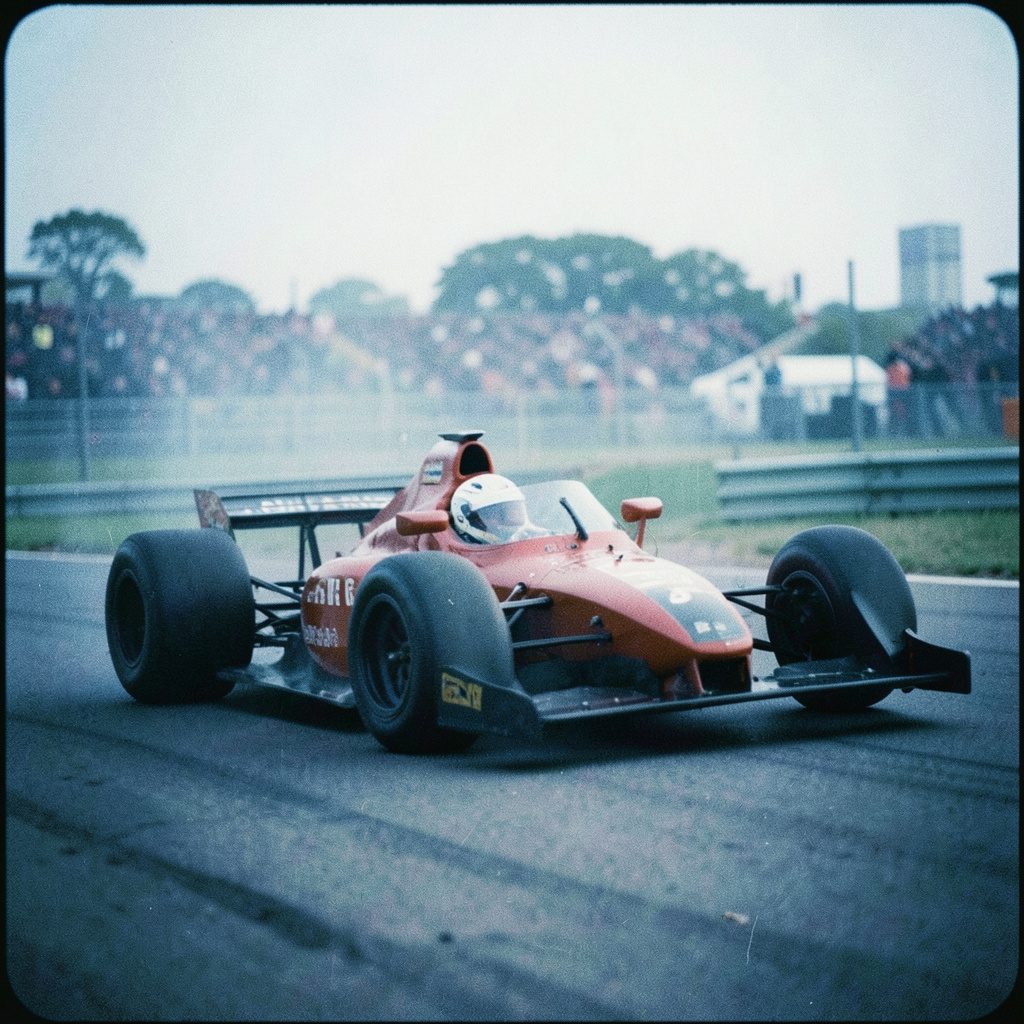
Racing games: the science of drafting behind opponents
Racing games turn a simple chase into a contest of momentum, position and nerve. In Kizi2games.org’s browser-based collection, players can learn the basics quickly, yet the strongest competitors still rely on timing. A well-used slipstream can close metres at once, making an overtake feel less like a lucky boost and more like the result of deliberate racecraft.
Drafting is the practice of using the disturbed air behind another vehicle to reduce resistance or gain useful speed. The car ahead acts as a windbreak, leaving a lower-pressure wake. A trailing driver who enters that zone carefully can preserve energy, carry speed toward a corner and create a cleaner chance to pass. The advantage belongs to whoever understands the gap, not merely whoever taps the accelerator.
That idea rewards more than reflex. Players must judge when to approach, whether to stay directly behind or offset the line, and when the draft should end. Racing games vary in how strongly they model these effects, from cartoonish boosts to subtler handling changes. Reading those differences helps casual players enjoy a quick round while giving keen players another layer to master.
Free browser play suits this learning process because a race can begin without a console, download or long tutorial. It also fits everyday Australian habits: short sessions work around work, school and public transport, especially for players moving through busy Sydney and Melbourne. Whether the course is a suburban circuit or a fantasy track, good drafting begins with the same basic physics.
How slipstreams change the air around a car
The air immediately behind a moving car is not still. The vehicle creates turbulence and a low-pressure region in its wake, often called the slipstream. A driver positioned inside this disturbed zone meets less resistance than someone travelling in clean air. Many racing games turn that physical advantage into a visible tow, a longer sprint or simply stronger acceleration.
The effect is strongest close behind the lead car, yet the best route is rarely a straight copy of its path. Offsetting to one side can place the pursuing car in cleaner air while preserving a forward view. This side-by-side drafting trade-off appears in cycling simulations and motorsport games. Each corner changes where the useful air lies and how quickly the wake forms.
Air conditions matter as well. A headwind can make a tow harder to judge, a crosswind may push the trailing car sideways, and a rear wind can extend the draft along a straight. Real drivers often weave slightly to find the strongest airflow. Digital racers can do the same, although some arcade titles reward a fixed button or lane, making the game’s model as important as real aerodynamics.
The controls behind a successful slipstream pass
Control begins before the overtake. A skilled player matches speed to avoid a rear impact, watches the opponent’s steering and waits for a braking zone or downhill section. Holding a steady throttle can maintain momentum, but easing off at the right moment prevents the car from entering the wake too quickly. This is tactical patience rather than passive following.
Once positioned, the pass still needs a plan. On a straight, a late move may be enough if the trailing car has greater acceleration. Into a corner, the driver may need to complete the pass before turn-in because grip matters more than straight-line speed. Some games award a temporary slipstream bonus; others simply reduce drag. The visible result is similar, but the underlying choice differs.
Defence is part of the same contest. Moving from the direct line to block a pass can weaken the original tow, while changing direction too abruptly can unsettle the car behind. Clean racers leave racing room and attack when the track opens. The difference between an assertive move and a collision is often only a fraction of a second of judgement.
Why corner exits decide whether drafting pays
Not every straight is an equal drafting opportunity. The strongest tow appears where the course runs long enough for the trailing car to gather speed without committing to a dangerous braking zone. Short straights reward a clean exit; long, gently descending sections let a small aerodynamic gain become a large gap. Each lap should therefore be treated as a sequence of opportunities rather than identical loops.
Corner exits are especially valuable. A driver who leaves a tight bend with the nose pointed down the next straight can settle into the wake before rivals react. The timing window shrinks when the next feature is a hairpin, chicane or crowded junction. Players who draft constantly but release too early may gain little, then lose momentum while changing lanes.
Knowing when to spend the tow is another layer of strategy. Holding behind a faster car may expose a slipstream at the perfect point, but it can also let that car escape. Using the advantage briefly to build a gap, then moving out before a bend, often creates a more stable lead. The same rule applies to energy management in endurance formats: save the gain for where it can be converted into position.
Comparing drafting across racing styles
The same drafting idea behaves differently depending on the racing style. Arcade racers make it bold and easy to see, simulation titles expose more handling detail, and family kart games often soften the effect so collisions and item power remain central. These differences determine whether a player should chase the rear bumper, hold an offset line or take the opportunity at all.
| Racing style | Drafting behaviour | Useful position | Main advantage | Common error |
|---|---|---|---|---|
| Arcade racers | Strong, visible tow | Directly behind | Rapid speed boost | Releasing too early |
| Simulation racers | Subtle drag reduction | Rear quarter | Realistic acceleration | Copying every movement |
| Kart and family racers | Moderate, balance-focused | One or two car lengths | Stable close racing | Bumping the leader |
| Strategy and open-wheel games | Long, tactical tow | Along a main straight | Better control of traffic | Over-drafting before a corner |
Vehicle choice can amplify the lesson. A heavy car may benefit less from a brief tow, while a nimble machine can convert saved speed into a cornering advantage. Weather and track width also alter the wake’s value. In a narrow event, passing may be impossible despite a good tow; on a wide circuit, the same setup can create several viable passing lines.
Practice drills and habits that sharpen racecraft
Trust matters before practice begins. An unofficial Pokémon UNITE mod APK can carry download and account risks, so younger players should use official stores and family controls. The safest racecraft practice starts with a source that players and their parents or carers can verify.
Short drills also make these ideas easier to use under pressure. Before trying a complex strategy, practise one repeatable action at a time:
- Chase without contact: hold one or two car lengths behind the leader, keep the line stable and avoid sudden steering.
- Delay the brake: enter a draft, wait for the braking marker, then brake slightly later while staying inside the track.
- Execute an offset pass: move towards the open side, judge the remaining gap and return to the racing line after passing.
- Protect the corner exit: draft through the final bend, release at the right point and preserve grip for the corner ahead.
Real-world habits make the same lessons easier to recognise:
- Check the local road rules: Australia uses left-hand traffic, so learn how lane changes, give-way points and overtaking affect position.
- Read changing conditions: strong winds around Melbourne and hot summer afternoons in Sydney can alter how a tow feels.
- Use short sessions: Australia’s busy mobile gaming market rewards quick restarts, making it practical to practise one skill per break.
- Avoid unnecessary blocking: a stable slipstream helps both cars reach the next corner with more speed and less disruption.
After each race, review one decision rather than the whole result. Did the draft begin at the right distance? Was the pass attempted before or after the difficult corner? Comparing a clean lap with a scrappy one often reveals the lesson faster than watching highlights. In multiplayer events, clear signals and fair space make the same tactics more effective for everyone.
Australian roads, weather and digital rules
Australian road habits offer useful reference points. Traffic keeps left, many suburban streets have a default built-up speed limit of 50 km/h unless signs state otherwise, and give-way lines appear at intersections. Even when a racing game uses a fantasy circuit, knowing these conventions helps players understand defensive lines, braking zones and where an overtake would be realistic.
Cities add everyday context. Stop-start traffic in Sydney and Melbourne makes lane position valuable, while short train or bus journeys create natural breaks for a browser game. Melbourne’s famously changeable wind and Sydney’s summer heat can also influence how a player interprets track feedback. Australia’s competitive mobile gaming market makes touch controls and immediate restarts especially important.
Digital rules deserve equal attention. The Australian Classification Board classifies games, and families can use platform ratings and parental controls to match titles to younger players. The Interactive Gambling Act 2001 generally bars gambling accounts for under-18s and restricts gambling promotion. That matters when reviewing promotional pages: a Lucky Green Casino review concerns adult consumer safety and is never an invitation for children to gamble.
Put drafting into your next race
Drafting is most effective when it serves a complete plan. Identify the long straight, settle into the wake without contact, choose the cleanest line and release before the next braking demand. If the opponent defends, preserve speed and try the next opportunity. Patience turns a small aerodynamic edge into repeatable results instead of a single spectacular pass.
Keep the approach fair. Racing games are social spaces, so deliberate collisions, lane abuse and ruined corners cost more time than they gain. A respectful racer can still be assertive, using short bursts of pressure and clear timing. That mindset carries beyond the game, where sharing the road, indicating early and leaving space protect everyone’s enjoyment.
When the racing action is finished, younger players can switch pace through the girls games collection on Kizi2games.org, with dress-up, puzzles and casual adventures. Then return to the track, pick a lap, find a slipstream partner and make your first pass at the next straight. Start drafting now and turn each corner into a launch towards the finish.