Arcade And Simulation Racing Games Explained
Racing games can deliver a quick burst of excitement or a detailed driving experience that rewards patience and practice. The difference is easy to notice once you pay attention to the way a car handles, how much the track matters, and whether the game expects you to learn real driving techniques.
For Australian children, families and casual players, browser racing games offer a convenient way to enjoy competition without installing large software packages. A short session after school may suit an arcade racer, while a longer weekend session can make room for a more realistic driving simulator. Understanding the two styles helps players choose a game that fits their mood, device and experience level.
What Makes An Arcade Racer
Arcade racing is built around immediate fun. Cars usually accelerate quickly, turn sharply and recover from mistakes without serious consequences. A player may drift around a corner, collect a boost, jump over a ramp or hit a rival without losing the entire race. The rules are clear, the controls are simple and the action starts quickly.
These games often use bright graphics, energetic sound effects and imaginative tracks. A race might take place through a city, across a desert, inside a fantasy world or on a floating platform. Real-world vehicle design is less important than speed, spectacle and responsive controls. Even younger players can usually understand the objective within a few seconds.
Arcade games also suit the habits of browser players. Someone using a laptop in Brisbane or checking a game during a short break in Adelaide can begin a race without spending time adjusting a large number of settings. Free collections such as browser game picks often appeal to players who want variety and quick access rather than a serious motorsport career.
The word “arcade” does not mean that these games lack skill. Successful players still need timing, route awareness and fast reactions. Learning when to use a boost, where to brake and how to avoid hazards can separate a beginner from a consistent winner.
How Simulation Creates A Realistic Drive
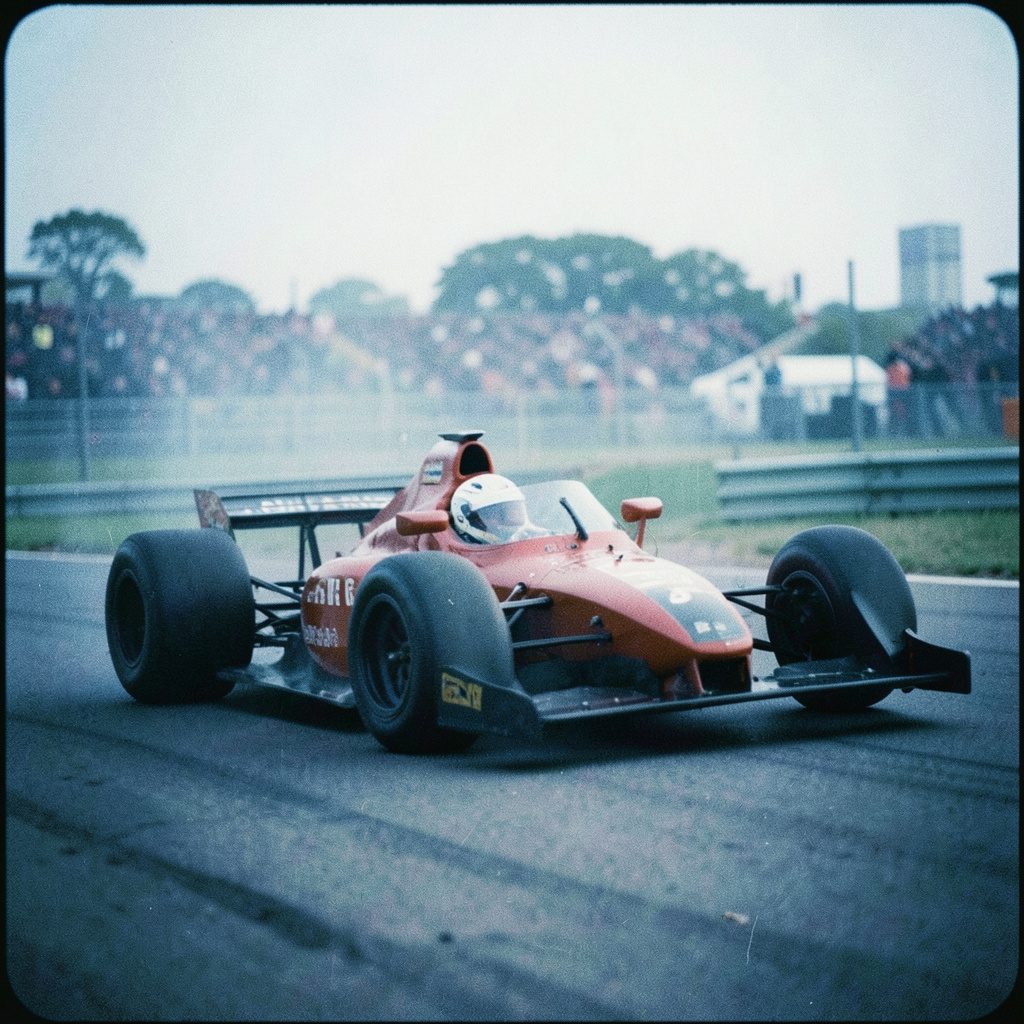
Simulation racing aims to reproduce the behaviour of a real vehicle or a professional racing car. Acceleration, braking, grip, suspension and weight can all affect the outcome. A car may lose control if a player enters a corner too quickly, presses the accelerator while turning or drives over a wet section of track.
This style usually gives players more control over the driving environment. Settings may include manual or automatic gears, tyre choices, fuel use, weather, damage and camera position. Some simulators support steering wheels and pedals, although a keyboard or touchscreen can still work for simpler browser versions.
The circuit itself becomes an important part of the challenge. Players need to study corners, braking markers and racing lines instead of simply following the fastest-looking route. A realistic game may reward smooth input over aggressive movement, which means that a slower-looking lap can be faster overall.
Simulation can also build useful awareness without pretending to replace real driver education. Australian players are familiar with left-side traffic, kilometres per hour and strict road rules, yet a game should never be treated as a licence to practise dangerous behaviour on public roads. In Sydney or Melbourne traffic, safe spacing and attention matter far more than copying a dramatic manoeuvre from a racing title.
| Feature | Arcade Racing | Simulation Racing |
|---|---|---|
| Main goal | Fast, accessible entertainment | Realistic driving and technical mastery |
| Vehicle handling | Forgiving and exaggerated | Influenced by grip, weight and braking |
| Controls | Usually simple and responsive | Often detailed and customisable |
| Tracks | Creative, spectacular and varied | Designed around realistic circuits or roads |
| Mistakes | Easy to recover from | Can damage a race or end a session |
| Best session length | A few minutes or short matches | Longer practice and championship sessions |
| Ideal audience | Beginners, children and casual players | Motorsport fans and patient learners |
Choosing The Right Experience For Your Age
The best choice depends on the player’s age, confidence and preferred type of challenge. Younger children often enjoy arcade mechanics because a missed corner does not create a long wait or complicated restart. Simple controls allow them to focus on colour, movement and the excitement of reaching the finish line.
Casual players may prefer a middle ground. Some browser games include realistic-looking cars and tracks but keep the physics forgiving. These hybrid titles offer drifting, upgrades or lap racing while avoiding detailed gear management and difficult tuning. They can be a good fit for families sharing a computer or for players who want variety.
A player who enjoys careful planning may find simulation more rewarding. Adjusting braking points, learning a circuit and improving a lap by a fraction of a second can create a satisfying sense of progress. The experience is closer to a technical puzzle than a quick reflex game. A strategy title such as Battleship War explained appeals to a similar desire to anticipate outcomes, even though its action takes place away from the track.
Game content and presentation also matter. Parents can check the age guidance provided by a platform, review advertising and consider whether chat or multiplayer features are suitable. Australia’s online safety framework gives families useful guidance around children’s digital experiences, while the Australian Classification system remains a helpful reference for games that carry an official rating. A racing game with cartoon collisions may suit a child who would find realistic crash imagery uncomfortable.
What To Look For In A Browser Racing Game
A good browser racing game should load reliably, respond quickly and explain its controls clearly. This is especially important on school laptops, shared family computers and mobile connections. A game that takes too long to start or requires powerful hardware may reduce the enjoyment before the first lap begins.
Input is another key consideration. Keyboard controls should distinguish steering, braking and acceleration without requiring complicated combinations. Touchscreen controls need large buttons and enough space to prevent accidental taps. If a game supports a controller, it should still offer a clear alternative for players using a standard browser setup.
Track design can make a simple title feel much deeper. Look for varied corners, shortcuts, ramps, traffic, weather or changing surfaces. Progression systems may add new cars, custom colours and improved performance, but upgrades should not make the earliest vehicle feel useless. Fair difficulty gives players a reason to continue without making every race frustrating.
Visual style also influences the experience. Cartoon graphics can keep the mood light and make vehicles easy to recognise, while detailed visuals may create a stronger sense of speed. Players who enjoy creative customisation can switch between racing and other casual categories, including Disney Princess dress-up, when they want a calmer activity between competitive races.
Recommendations For A Better Racing Session
A few practical habits can help players get more from both arcade racers and driving simulators. The aim is to match the game with the available time, choose fair settings and treat competition as a chance to improve rather than a reason to become frustrated.
- Choose an arcade game for short sessions, quick restarts and simple controls.
- Select simulation when you have time to practise braking, cornering and racing lines.
- Start with automatic gears and beginner assists before changing advanced settings.
- Use a stable browser connection and close unnecessary tabs if the game feels slow.
- Check age guidance, advertising and multiplayer features before a child plays.
- Adjust sound and screen brightness so the session remains comfortable.
- Take breaks during long races, especially when playing after school or late at night.
Australian conditions can shape when and how people play. Summer heat may make a long session uncomfortable on a laptop, while winter evenings in Hobart or Canberra can encourage indoor gaming. During school holidays, families may share devices more often, so games with short races and easy restart options can prevent arguments over time.
Players should also keep game driving separate from real road behaviour. Australian roads use left-hand traffic, and speed limits are displayed in kilometres per hour, but a browser game may use fictional rules that reward cutting corners or hitting barriers. Safe driving in Australia depends on obeying signs, staying alert and following the relevant state or territory road laws.
Finding A Balance Between Fun And Skill
Arcade and simulation games represent two different ideas of racing. Arcade design focuses on momentum, spectacle and accessibility, while simulation design values control, accuracy and consistency. Neither approach is automatically better. A player who wants a five-minute challenge may have no reason to choose a detailed simulator, just as a motorsport fan may quickly outgrow a game that removes every consequence.
Hybrid racing titles provide a useful compromise. They may include forgiving handling at the beginning, followed by optional assists, harder tracks and more detailed car settings. This structure lets players learn at their own pace. A child can enjoy the colourful action, while an experienced player can seek faster lap times and tougher opponents.
The local gaming market also benefits from this variety. Australians use a mix of desktops, tablets, school devices and smartphones, and browser games can reach players across these formats. Free-to-play access lowers the barrier for families comparing several genres, although adults should still watch for external links, unexpected advertising and requests for personal information.
When choosing a title on Kizi2games.org, consider the player’s goal first. Is the session about laughter, competition, creative exploration or technical improvement? Arcade racing is usually the strongest choice for instant entertainment, whereas simulation is ideal for players who enjoy repetition and gradual mastery. Trying both styles is the simplest way to discover which type creates the most satisfying drive.
Explore the racing selection on Kizi2games.org and begin with a game that matches your available time and skill level. Try an energetic arcade race for a quick challenge, then return to a more realistic driving title when you are ready to practise precision, patience and control.