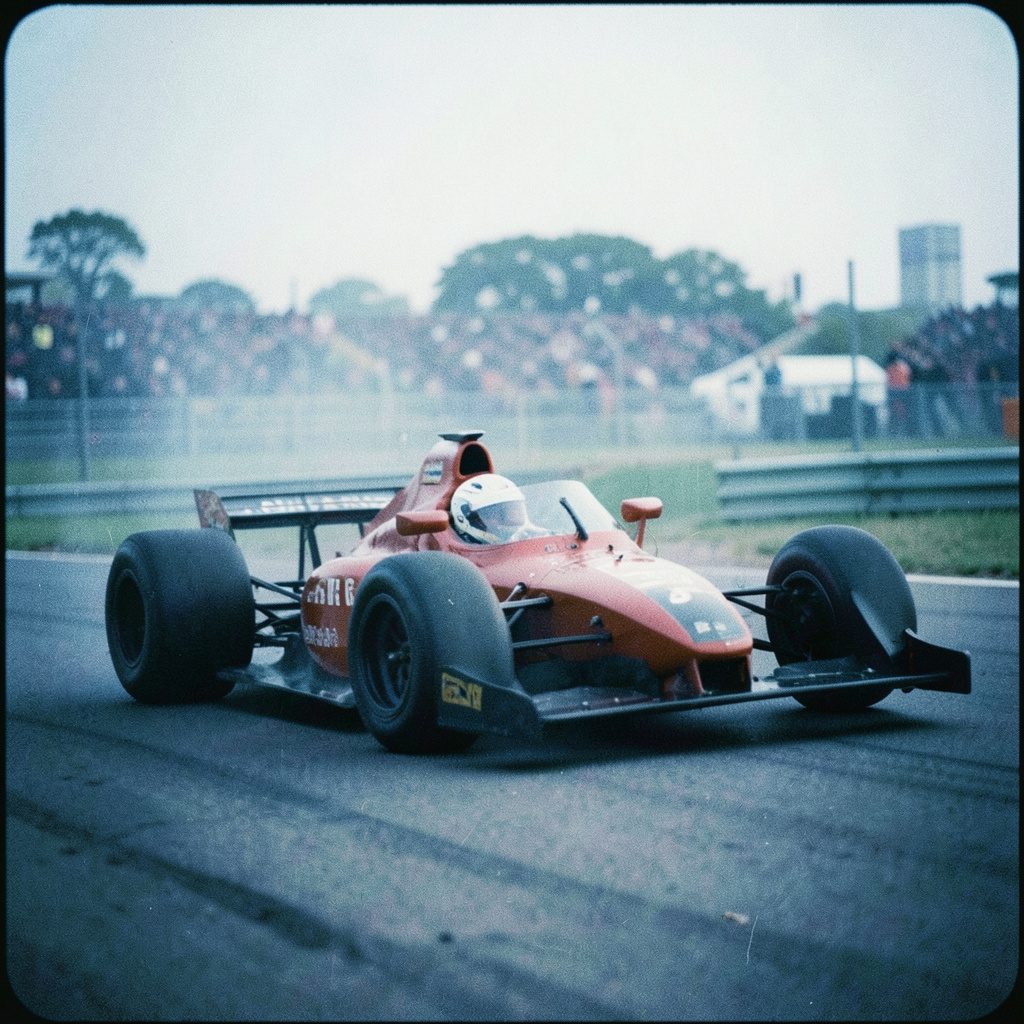
Racing games: why cornering is more important than top speed
Top speed feels exciting because it gives you an instant sense of progress. The scenery blurs, the vehicle charges forward and a big number appears on the speedometer. That excitement has its place, especially on a long straight, but a race is not won by holding the fastest possible pace for the entire lap. The skill that often creates the biggest advantage is the ability to carry speed out of a bend without losing control.
A lap is full of decisions: when to brake, which side to approach from, how much grip to use and when to accelerate again. Those decisions become much clearer when you understand that the fastest line through a corner is usually smooth and controlled rather than wild and hurried. On Kizi2games.org, that idea is useful for children and casual players who want to improve their results while still enjoying a quick browser session.
Cornering decides more than the finish line
A lap is rarely won by one enormous burst of speed. It is won through a chain of corners, and each bend affects the next straight. A vehicle that stops well can turn tightly, accelerate earlier and reach the following section at a useful pace. One that arrives too fast may slide wide, lose several places and spend the next stretch trying to recover.
Handling also creates passing chances. On a twisting track, a rival can be overtaken by taking a cleaner line even when that rival has the higher top speed. The same principle works in reverse: a needless spin gives the faster opponent an easy path through. This is why grip and control can decide a browser-based race as often as maximum power.
Australian racing fans have plenty of reason to appreciate the idea. Bathurst’s Mount Panorama is famous for its flowing circuit, yet even there a lap requires precise inputs through long, fast bends. Aussie road rules keep drivers on the left, so left-hand turns can feel familiar, while many kart circuits reward patience over reckless throttle control. Give it a go with these ideas in mind and watch the lap time change.
Why speed can work against you
Grip is the ability of the tyres to hold the surface and let a vehicle change direction. Enter a bend too quickly and there may not be enough grip to generate all the turning force you need. The vehicle can understeer, which means the front slides and pushes towards the outside of the corner, or it can skid if you brake or turn too abruptly. A clean entry gives the tyres more room to do their job.
Braking distance also grows with speed. This means a large speedometer reading can be misleading if it makes you believe you have plenty of room to stop. Racing games often use invented speed units, but the underlying lesson is familiar to Australian drivers who measure road speeds in kilometres per hour: the faster you travel, the more space you need before the corner. Slowing early usually creates a better exit than braking at the last possible moment.
Arcade racing games may simplify tyre behaviour, but the balance between power and grip remains. A powerful vehicle can still struggle if it arrives with too much speed or spins its wheels in the wrong place. Try Bike Race 2 when you want a different kind of racing challenge, and concentrate on keeping the motorcycle balanced rather than chasing the highest possible number on every section.
Finding a line that keeps momentum
The racing line is the path through a corner that balances distance, speed and grip. For many turns, it begins wide, passes close to the inside point known as the apex and then leads back towards the outside on the exit. This may feel strange at first because the car briefly travels farther across the track. In return, the vehicle can remain stable, turn more tightly and accelerate away with momentum intact.
Choose your braking point before the corner rather than trying to correct a problem halfway through it. On a tight hairpin, a very slow approach is often correct; on a sweeping bend, you may be able to carry much more speed. As the vehicle begins turning, ease off the brake and add the accelerator smoothly. Looking through the corner towards its exit also helps you avoid making sudden changes that upset the balance.
A controlled slide can sometimes carry speed into the next straight, but it is different from losing control completely. The rear may slip while the vehicle still points in the direction you want to travel, allowing you to gather speed again. Once you have practised placing a bend, there is no need to rush into another game straight away. If you want a change of pace, browse casual games between longer racing sessions.
Cornering habits to practise before your next race
Cornering is a skill that can improve through repetition. Pick one section of a circuit, repeat it several times and change only one thing each attempt. Braking a little earlier might help on the first try, while a smoother steering input could improve the next. Free browser-based games make this kind of practice easy because there is always another attempt waiting without another download.
Aussies often say “give it a go”, and that is a sensible approach to learning a new circuit. If the first attempts feel messy, no worries: focus on consistency instead of a perfect lap. For Australian players using shared family tablets or phones, a free browser game fits neatly into a short break, whether that is a quick race between other activities or a cooling-off session during a hot summer afternoon.
Cornering fundamentals
- Brake before the bend. Start slowing early enough that you can turn smoothly while keeping the vehicle stable and pointed towards the exit.
- Look through the corner. Your eyes should follow the route beyond the apex instead of staring at the inside kerb or the vehicle directly ahead.
- Steer smoothly. Small, steady adjustments are easier to control than sudden large turns, especially at higher speed.
- Balance the accelerator. Add power as the vehicle begins turning, but avoid demanding more grip than the surface can provide.
- Protect the exit. The corner is not finished when you reach the apex; a balanced exit sets up the following straight.
Habits for a competitive race
- Practise one corner repeatedly. Learn where to brake, which line to follow and where you can begin accelerating again.
- Leave yourself some space. A small gap from the vehicle ahead gives you more options if the racing line changes.
- Watch rivals carefully. Notice whether the player ahead is struggling with grip before deciding where to attempt a pass.
- Avoid sudden corrections. If the vehicle begins sliding, make measured adjustments rather than overcorrecting in the opposite direction.
- Build a repeatable rhythm. Similar braking points and smooth steering inputs produce more consistent lap times than occasional risky moves.
Compare the priorities on a typical lap:
| Cornering strategy | Top-speed strategy | Likely race result |
|---|---|---|
| Brakes early and turns smoothly | Accelerates hard on every straight | Builds momentum while reducing time lost in bends |
| Keeps the vehicle balanced at the apex | Pushes to the maximum on corner entry | Sliding or running wide can erase the speed advantage |
| Uses a clear racing line | Follows the fastest-looking route only | Reaches the next straight in a better position |
| Balances grip and throttle | Ignores available traction for extra power | Creates instability and makes recovery difficult |
| Builds repeatable laps | Chases a new record on every run | Produces consistency instead of isolated bursts |
Carry better cornering into your next race
The most satisfying progress often comes from changing how you drive rather than simply finding a stronger vehicle. A slower corner can still be an excellent corner when you exit it with balanced momentum and a clear path ahead. Remember that straight-line speed remains valuable; its real advantage appears when you have prepared the right way to use it.
Pick a vehicle, find your braking point and give the next bend a clean run through. You can play racing games on Kizi2games.org, try a different circuit and compare how each choice affects your lap. Give it a go, focus on the first corner and enjoy the rush of a much smoother lap.