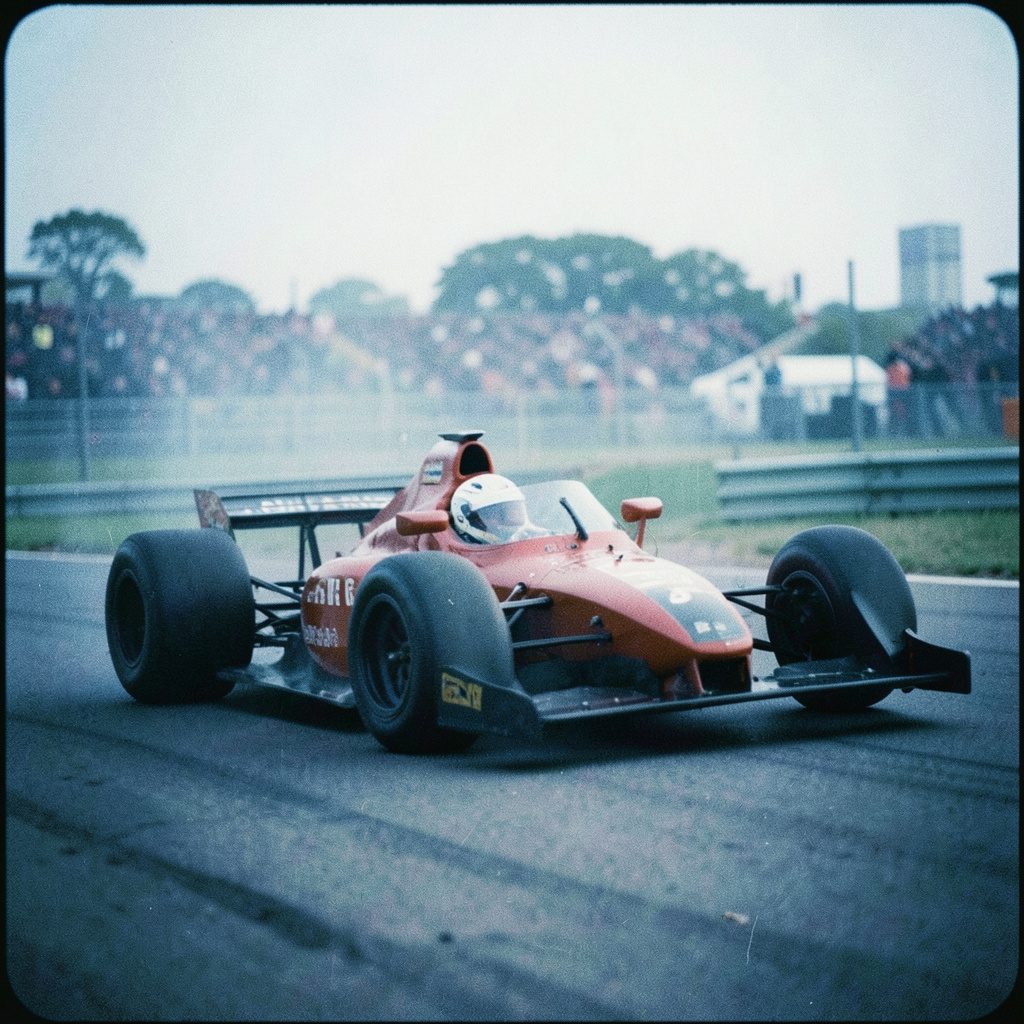
Sports games: high score strategies for every event
A strong score in an online sports event rarely comes from frantic tapping alone. It depends on reading the scoring rules, controlling risk and staying focused through the final seconds. A useful approach to sports games and high score strategies for every event begins by identifying what the format rewards most: speed, accuracy, possession, endurance, survival or efficient resource use. Once that is clear, each attempt becomes something you can measure and improve.
Kizi2games.org gives casual players free access to browser games across racing, sports, strategy, puzzles, action, shooting, driving and dress-up categories. Its instant-play format suits Australia’s mobile, on-the-go gaming habits, whether someone has a few minutes during a lunch break or wants a quick challenge after school. The same principles apply across the collection: learn the scoring system, remove unnecessary risks and repeat successful actions until they become reliable.
Compare the main scoring demands
Different events reward different decisions, so copying a strategy from one game to another can be costly. Consider what the score measures, where points come from and which mistakes cause the biggest losses.
| Event format | Main score signal | Strongest scoring lever | Frequent failure |
|---|---|---|---|
| Racing and time trials | Finish time, checkpoints, clean laps | Braking and route control | Using a boost too early |
| Arcade sports | Goals, possession, streaks and multipliers | Positioning and shot selection | Taking low-percentage attempts |
| Action and shooting | Accuracy, combos and health pickups | Target prioritisation | Wasting powerful abilities |
| Strategy and battles | Resources, territory and efficiency | Correct action order | Expanding before consolidating |
| Puzzles and precision | Completion time, accuracy and combos | Consistency under pressure | Restarting after minor errors |
Treat these categories as scoring models rather than rigid labels. A football match may reward possession, while a survival challenge rewards avoiding damage. If the score climbs when you remain active, deliberate pauses might be better than continuous movement. If combos multiply small achievements, one clean sequence can outperform several scattered points.
Build a repeatable scoring routine
Preparation should be brief but deliberate. Before starting an event, identify the win condition, learn the basic controls and complete one short run without chasing a perfect result. This creates a baseline and reveals whether your main problem is control, timing or decision-making.
Before you play
- Read the scoring rules, including any tie-breakers or bonus conditions.
- Learn one control scheme and practise the movement you will use most.
- Set a measurable target, such as beating a lap time or increasing a combo.
- Note important routes, safe zones, scoring opportunities and power-up locations.
Execution becomes easier when every attempt follows the same structure. Start at a controlled intensity, secure dependable points and increase pressure only after establishing a stable rhythm. Short reaction drills in robot-and-alien action games can also sharpen target prioritisation, although the same focus should be transferred back to the sporting event.
During each attempt
- Begin conservatively, then raise the risk after confirming the scoring pattern.
- Collect straightforward points before attempting a difficult combination.
- Save boosts and special abilities for situations with clear value.
- Finish each round at a defined checkpoint rather than ending with an avoidable mistake.
Separate skill problems from bad luck by changing only one variable between attempts. If the score fell because you collided twice, keep the same route and improve the braking point. If it fell during the final power-up phase, practise that section alone. This approach fits busy routines: a session on a Sydney train or Melbourne tram can include several focused runs, a short review and one clearly defined goal for the next visit.
Master racing and precision events
Racing scores depend on control rather than raw speed. Braking before a tight corner, choosing the cleanest line and avoiding collisions usually produce better results than accelerating continuously. In Bike Race 2, for example, treat each boost as part of a wider plan. Trigger it where extra speed creates space, not where it simply carries you into a collision.
The fastest route is often the one you can repeat without errors. Learn where the camera reveals upcoming turns, which obstacles can be avoided and how checkpoints affect the final result. If an early mistake makes a high score impossible, prioritise a quick recovery instead of forcing a risky shortcut. Finishing cleanly at a modest pace can create a stronger foundation than an unstable run that ends in failure.
Basic vehicle handling can be studied through practice driving games, then applied to more competitive events. Pay attention to momentum, braking distance and the relationship between steering and acceleration. These details also help in precision challenges where a light touch matters. Weather adds another Australian consideration: Melbourne’s changeable conditions or a hot Sydney summer afternoon can make an indoor browser event a convenient way to practise steady timing without external distractions.
Convert sports and action formats into points
Arcade sports rewards better decisions than indiscriminate speed. In a football event, move the ball into space instead of forcing a shot from distance. Create a passing lane, watch how the defenders respond and shoot when the scoring meter is favourable. In basketball-style games, establish rebounding position before the shot, then use movement to draw the defender away from the basket. Tennis and cricket formats demand angles and patience: place the ball away from the opponent, recover towards the centre and avoid unnecessary runs.
Action events use a similar logic despite the different controls. In Battleship War, accuracy depends on identifying which target offers the greatest value rather than firing at every available square. Save limited weapons for decisive opportunities, protect combinations and avoid spending health pickups merely to recover from careless positioning. A high-scoring run often comes from choosing the right target at the right moment, not simply landing more shots.
The same precision thinking appears in adjacent formats. In dress-up game mixes, choices only produce the required result when the remaining conditions are satisfied. That resembles managing substitutions in a sports event: every change may improve one aspect while weakening another. Titles such as Disney Princess Prom Dress Up therefore reward planning, constraint management and attention to the final presentation.
These ideas also translate from Australian sporting culture. AFL, NRL, cricket, tennis and swimming provide familiar examples of controlled aggression, territorial positioning and endurance under pressure. For younger Australian players, age guidance from the Australian Classification Board should help identify suitable experiences. If a platform collects personal information or offers paid extras, the Privacy Act 1988 and Australian Consumer Law provide relevant consumer protections.
Use strategy and pacing to secure a personal best
Strategy events often reward sequencing. Before taking an action, check what it costs, what it unlocks and whether another objective becomes easier afterwards. In a collection or battle challenge such as Dynamons World, use each round to strengthen a dependable advantage rather than chasing every temporary opportunity. Secure resources, reduce risk and then expand into a position that creates several possible scoring routes.
Puzzle and precision events demand a different kind of efficiency. In stack-based challenges such as Super Stack, plan placements with the next few moves in mind rather than solving only the immediate gap. On timed puzzles, inspect the whole field for low-cost combinations and remove pieces that contribute little. The objective is not the fewest actions in every situation, but the fewest actions that still produce a strong score without risking a reset.
Pacing is the final advantage. A full session can lead to rushed decisions, while a short planned session allows attention to stay sharp. Choose one event, set a target that can be measured and make each attempt answer a specific question. At the end, record the score, identify the stage where points were lost and select the next adjustment.
Choose a sports event on Kizi2games.org, begin with one deliberate run, and let every result guide the next attempt. Bank the score, return with a sharper plan and make the next high score your strongest yet.