Strategy games: how to plan several moves ahead
Strategy games ask players to do more than react to the latest thing on screen. Planning several moves ahead means considering what the current choice unlocks, what it blocks, and how the position may change after an opponent replies. That habit turns a quick game into a thoughtful contest, whether the setting is a grid, a battlefield, a track, or a puzzle board.
For children and casual players, the strongest lessons arrive when the plan stays visible and the rules stay simple. A player might save a resource, protect a key square, place a piece in a safer lane, or decide whether to attack now or wait. Each choice becomes a small test of foresight rather than a test of how many buttons someone can press.
Beginners often think good strategy means guessing the future perfectly. It is more practical to prepare two or three possible futures and choose the one that leaves the most options open. Before moving, ask what the opponent can do next, which action still works if the worst likely reply occurs, and whether waiting could create a better opening. This reflects the calm, fair-go thinking valued in many Australian family settings.
The Kizi2games browser collection gives young players plenty of ways to practise that discipline. Racing, sports, strategy, puzzles, action, driving, and dress-up sit side by side, so a child can compare quick reflex challenges with games that reward planning. Titles such as Super Stack, Bike Race 2, Dynamons World, Battleship War, and Disney Princess Prom Dress Up show how a broad library can serve different moods and interests.
Set a goal before choosing a path
A plan starts with the result the player wants, not with the first available action. “Win by the end” is too broad; “keep this route open,” “collect three pieces,” or “avoid losing my special piece” gives the mind a target. A clear objective makes it easier to judge whether an apparently clever move is actually useful.
Next, list the constraints. How many turns remain? Which squares or resources are limited? Can the opponent interrupt the plan? Thinking in this way is often called move sequencing: the order of actions matters, so an early move may be valuable precisely because it creates a later opportunity.
Test the goal against three scenarios. A strong plan should still make sense if the opponent attacks, blocks, or ignores the threat. It does not need to win in every case. It should give the player a reasonable chance, preserve a backup, and match the goal chosen at the start.
Read patterns instead of reacting
Pattern recognition gives a player more time to think. Before choosing a piece or card, scan the whole board for colour changes, gaps, movement clues, and resources that are running low. A quiet square may conceal a trap, while a busy section may reveal the opponent’s intended direction. The goal is to turn what you see into a forecast.
In a two-player game, the opponent’s previous move is information. If they protected one corner, they may expect an attack there. If they spent a resource early, a different threat might be affordable. Casual players can train this habit by naming one likely reply before making their own move. That pause is often the difference between a reflex and a deliberate choice.
Puzzle games provide a gentler version of the same skill. In a stacking challenge such as Super Stack, each placement affects the space available for the pieces that follow, much as a chess move changes the options on a board. Players do not need advanced theory to improve; they need to notice which placement creates several workable continuations.
Build a three-move horizon
Three moves is a useful starting point because it is long enough to reveal a tactic but short enough to hold in mind. From the current position, picture the next turn, the likely response, and the move that follows. The third move is where a plan becomes practical: it shows whether an action leads toward the goal or merely looks exciting in the moment. This short planning horizon strengthens long-term play without requiring a complicated opening.
Good forward planning also includes a fallback. After imagining the best response, imagine the response that causes the most trouble, then decide which resource, route, or piece to protect. This contingency thinking is useful in battles, resource management, and tile-laying puzzles because a single fixed script is easily broken by a clever opponent.
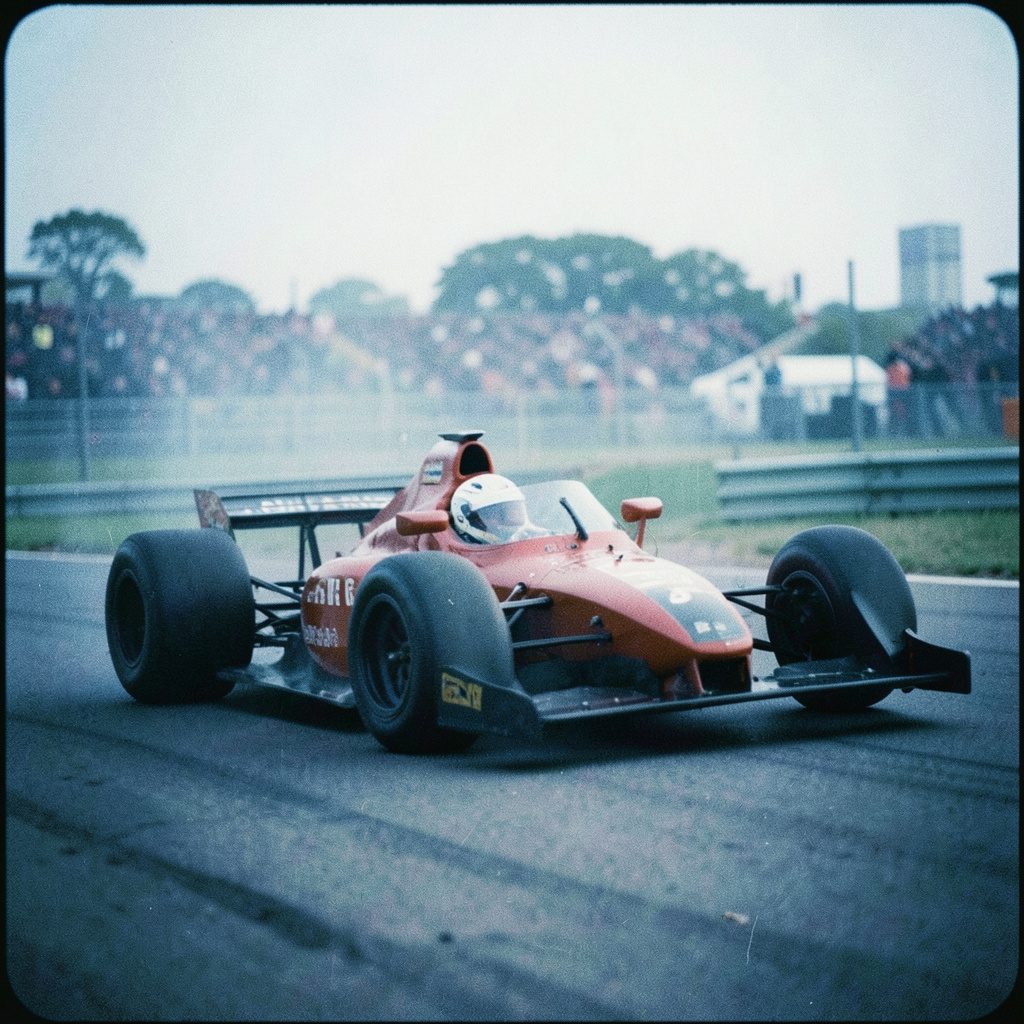
The same idea appears in a racing setting, where energy and position matter as much as speed. A useful guide to racing games with power can help players compare power use with cornering and overtaking. Just as a strategic game benefits from saving a key resource for turn three, a racer can save a boost for the straight after a bend.
Compare choices by consequence
A player with several possible moves should compare what each move changes rather than choosing the one that looks most dramatic. The best choice is not always the biggest immediate gain. Sometimes a small defensive move protects several later options, while an aggressive action creates a single but fragile chance to win.
For a broader change of pace, browser game ideas can help casual players sample different challenges and compare how each one rewards planning. Within a chosen title, a simple comparison keeps the decision honest:
| Game situation | What matters now | What to check two moves ahead | Common mistake |
|---|---|---|---|
| Grid or board | Keep a useful square open | Where the opponent can reach next | Blocking every route too soon |
| Resource game | Spend or save | What the next cost will be | Using a bonus too early |
| Tower defence | Place a defence where it protects several routes | Which lane may be attacked after the next wave | Building only beside the first threat |
| Puzzle | Find a move that preserves the best state | Whether the following placement still fits | Solving one section without checking the reset |
| Racing | Choose a safe line and timing | Where rivals can overtake after the corner | Chasing speed and losing control |
This comparison changes the question from “Which move looks best?” to “Which move leaves the best next move?” A player can score options by safety, flexibility, resource value, and distance from the objective. The scoring need not be mathematical. A quick rating of strong, possible, or risky is enough to prevent an impulsive choice.
Practise with simple routines
A short routine makes forward thinking automatic. Before each turn, use this checklist:
- Mark the safest position you can reach this turn.
- Name the opponent’s most threatening reply.
- Choose between attacking, defending, and advancing.
- Keep one resource or option in reserve.
After a round, use a different routine to learn from the result:
- Recreate the moment when your plan changed.
- Separate a missed opportunity from a forced loss.
- Look for a safer second option in the same position.
- Repeat the sequence once with a different plan.
These habits work because they shrink the problem. A player does not have to solve an entire game at once; they only need to choose a sensible next move, keep a contingency nearby, and check whether the position still supports the original goal. Over a few rounds, that small pause builds pattern recognition and steadier decision-making without turning play into homework.
Make the plan work for Australian players
Australian players bring plenty of practical experience to this kind of thinking. In Melbourne, Sydney, Perth, or Brisbane, a shared family device may be used for a quick game in the arvo before dinner, while sessions still need to fit around school, sport, and household routines. Planning helps because it makes play predictable: a child knows what to try first, what to save, and when to stop a round.
For many Australian households, convenient browser access matters more than a heavy download. A game that opens on a laptop, tablet, or desktop can suit a family with several devices, a player outside major cities, or someone using a mobile data plan that makes large files less appealing. Players still value polish and variety, yet they want a game to load quickly enough for a short break. Clear objectives, simple controls, and a relaxed “no worries” attitude often matter more than complexity.
Local payment habits deserve careful checking when an adult manages any paid online service. An Australian guide to casino poli payment au can help an adult confirm how a local payment flow works before entering financial details. Young players should never be asked to provide payment information, and free children’s games should remain clearly separate from deposit-based or gambling-related services.
Turn your next move into a plan
Forward-thinking strategy begins with a small habit: pause, read the position, and picture the next two or three actions. The goal is not to control every possible future. It is to create a move that is safe, purposeful, and flexible, then adjust when the opponent responds. That approach applies to a board, a tower defence route, a puzzle, or a race around the next corner.
Families can practise together without turning the session into a lesson. Let the child explain the goal, predict the opponent’s reply, and describe the backup plan. An adult can ask for the reason behind a choice rather than simply correcting it. Even a short round of Battleship War or a resource puzzle can make planning feel natural, with conversation and friendly competition doing much of the teaching.
Open the Kizi2games browser collection, choose a strategy or puzzle challenge, and play a round with a three-move plan in mind. When the position changes, make the next choice count.