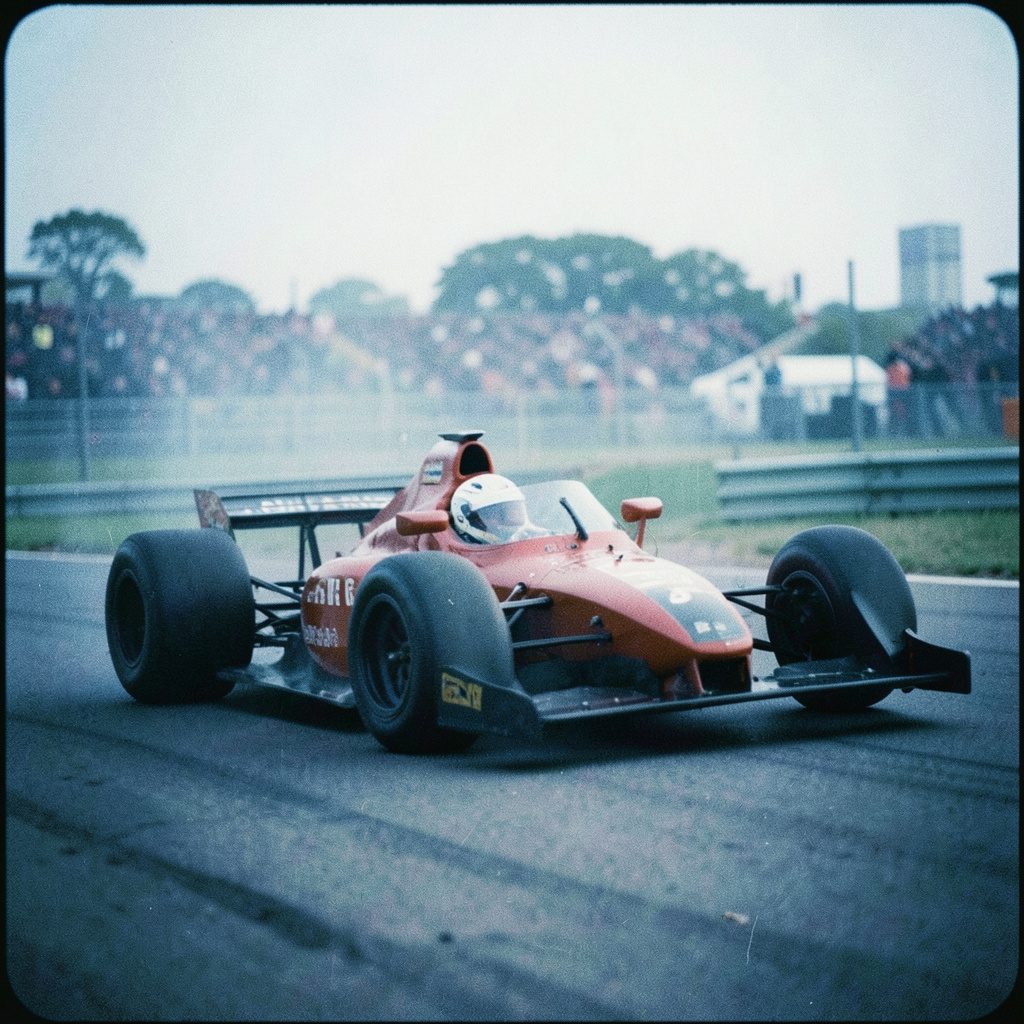
Five racing games with realistic physics
Kizi2games is built for quick, free sessions, and its racing collection gives players a cheerful way to test speed, control and nerve. Rather than downloading a bulky simulator or paying for a console release, you can open a browser game and get straight into the fun. For children and casual players, that low-friction start makes a big difference.
Realistic physics turns a moving vehicle into something that feels alive. Weight shifts as you corner, momentum carries a car when you lift off, and braking takes distance instead of happening instantly. These cues let a young driver learn through consequences: turn too early and the nose runs wide, brake too late and you meet the back of a traffic queue, or steer smoothly and keep the vehicle planted on the road.
The five racing games with realistic physics here cover different kinds of fun. Some use detailed simulation cues, while others simplify the handling but preserve momentum, braking and collisions. There is no need for a racing background to enjoy them; a few careful laps are enough to understand what each vehicle wants.
Australian players will recognise left-side driving, but that familiarity does not make every challenge easy. A sharp roundabout or sudden lane change in heavy traffic can feel just as demanding in Melbourne or Sydney as anywhere else. Between runs, players can kick back with an arvo coffee, treat a mishap as “no worries” and try again without turning a small game into a serious contest.
What realistic physics adds to racing
Realistic physics is less about complicated menus and more about consistent cause and effect. A racing line only works if grip and handling reward a sensible approach. Cars should lean under braking, bikes should respond to lean angle, and obstacles should react when struck. These details make mistakes readable, so players can adjust their timing instead of guessing what the game wants.
The five picks simulate different parts of driving. Real Car Driving puts a premium on acceleration and vehicle control, while Real Car Parking concentrates on low-speed manoeuvring. Traffic Rider focuses on balance and braking, whereas the two traffic games make spacing and lane changes the central challenge. The strongest choice depends on whether you want a quick thrill, a precision test or something to play between other tasks.
| Game | Physics focus | Main challenge | Best for |
|---|---|---|---|
| Real Car Driving | Momentum, gear changes, suspension and collisions | Open-road driving and timed runs | A fuller driving experience |
| Mad Driving | Acceleration, braking distance and traffic spacing | Weaving through busy city streets | Quick reflex challenges |
| Traffic Rider | Lean, balance, road grip and speed control | Overtaking dangerous traffic | Players who enjoy motorbikes |
| Real Car Parking | Wheel angle, body movement and collision response | Reversing into tight spaces | Patience and precision |
| Highway Traffic | Following distance, lane changes and momentum | Managing fast-moving highway traffic | Longer road-focused sessions |
Real Car Driving and Mad Driving
Real Car Driving offers the broadest driving experience in this selection. The car carries momentum after a burst of acceleration, settles after a turn and reacts visibly when it hits an obstacle. Gear changes also alter how the vehicle moves, giving you a reason to slow down before selecting the next gear. The result feels more like handling a car than sliding a token around a track.
That sense of weight makes mistakes valuable learning tools. Brake too close to a corner and the front dips; accelerate while the wheels are still fighting for grip and the car may wander. You do not need to memorise a circuit to improve. Watch how the vehicle settles, reduce your speed and try the same section again. It rewards the kind of attention that casual players may already bring to a suburban street.
Mad Driving shifts the challenge from open roads to live traffic. You steer through city streets, watch vehicles ahead and use braking distance to judge whether it is safe to change lanes. Collisions and sudden stops break up a run, while the compact interface keeps the focus on reaction time. It is more demanding than a simple time trial, but it remains approachable for anyone who enjoys dodging hazards.
For players who want to compare a few more options before settling in, the site’s fresh browser games collection offers a convenient place to browse new additions. Titles and controls can change as the catalogue grows, so checking the instructions before a race helps you avoid wasting time searching for the wrong buttons.
Traffic Rider and Real Car Parking
Traffic Rider delivers the clearest sense of speed and balance in this group. The motorcycle leans as you steer, its balance changes with the angle of the road, and braking has to be planned ahead of time. Overtaking feels different from simply holding down a button, which is where responsive vehicle handling earns its keep. Quick turns, narrow gaps and impatient drivers create a satisfying test of timing rather than raw acceleration.
Real Car Parking moves the action to low speed, where small errors become obvious. The car must turn, reverse and shuffle into a space while the body responds to the steering and the position of the wheels. That slower pace can be more educational than a high-speed circuit because it makes the relationship between wheel position, kerb and obstacle easy to see. Drivers learn patience without needing a long explanation of racing tactics.
Highway Traffic rounds off the shortlist with longer, road-focused runs. The essential skill is reading distance: following too closely invites a rear-end collision, while drifting between lanes forces you to check what is beside and behind you. The physics are more arcade-like than those in a specialist simulator, but momentum and vehicle spacing still matter. It suits players who like the rhythm of cruising, overtaking and keeping the bonnet pointed towards the horizon.
For a change of pace during a shared-device break, the site’s beauty coverage includes hairstyle inspiration. It has nothing to do with racing, but it provides a pleasant change of scene before the next attempt.
Choosing a game for your play style
Match the game to the challenge you enjoy rather than assuming the busiest screen is the best one. Real Car Driving suits players who want to experiment with speed and handling. Mad Driving and Highway Traffic suit those who prefer reacting to other vehicles. Traffic Rider calls for balance, while Real Car Parking rewards careful adjustments and the patience to correct a poor first attempt.
A short session and a longer session may call for completely different choices. A child with twenty minutes might prefer a single traffic run or a parking challenge, while a player settling in for an arvo of gaming can explore the acceleration curves and gear changes in Real Car Driving. On a shared family device, shorter rounds also make it easier to swap the controls without leaving someone waiting.
- Choose Real Car Driving for a fuller driving experience with open roads, responsive acceleration and vehicle handling that responds to every input.
- Pick Mad Driving when you want to practise braking distance, traffic gaps and quick decisions in a lively city setting.
- Try Traffic Rider if you enjoy speed, overtaking and the challenge of keeping a motorcycle balanced through rapid changes.
- Use Real Car Parking to sharpen slow-speed control, spatial awareness and patience around nearby obstacles.
- Select Highway Traffic for longer sessions built around lane changes, safe following distances and steady momentum.
- Set the controls before starting; use touch inputs on a tablet or keyboard controls on a desktop, and remember that Australian roads use left-hand traffic.
Start your next race
Most browser racing games run well on a laptop or tablet, but the control layout can make a big difference. Arrow keys or WASD may handle steering on a keyboard, while a phone might rely on touch or tilt controls. Check the instructions first and lower the sound if someone else is nearby. A sensible control setup keeps the focus on the road instead of hunting for buttons.
Real driving in Australia comes with its own scale. A short trip can still mean a long stretch of highway, a fuel stop and a change in road conditions. If your interest in realistic racing comes from watching cars negotiate a Melbourne roundabout or taking in the coastal sweep of the Great Ocean Road, bring that attention to detail into your next session.
Load a game, settle into the controls and enjoy the next run. Whether you chase a clean lap, master a parking manoeuvre or weave through traffic, the physics will make every choice feel like part of the drive.