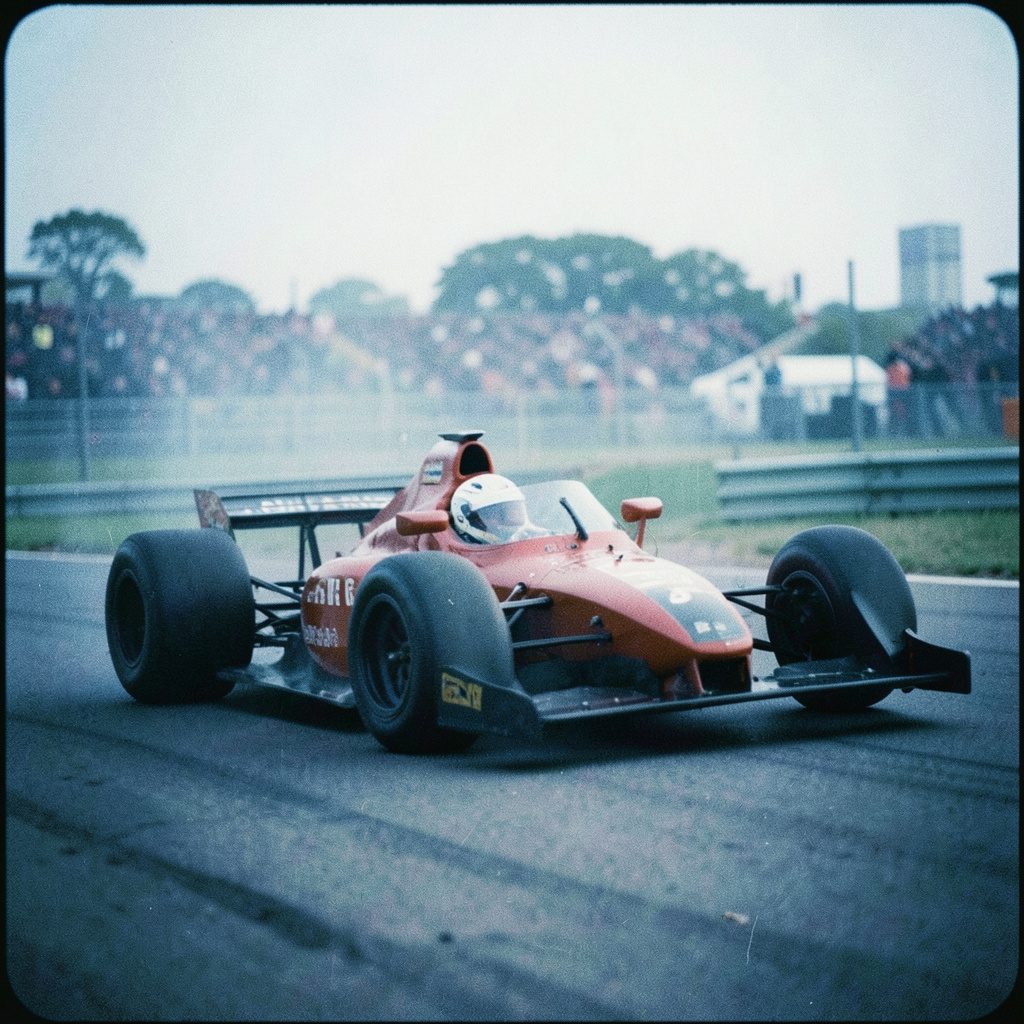
Racing games: how to drift and boost without crashing
Racing games look simple at first: steer, accelerate, pass the other drivers and cross the finish line. The tricky part begins when a track introduces sharp corners, slippery surfaces, ramps or a boost meter. Speed alone will not win many races if every turn ends with a wall, barrier or lost position.
Good driving comes from timing. A controlled drift can help a car turn tightly, while a well-placed boost can create a clean overtake on a straight. These skills work across browser racing games, whether you are playing on a laptop in Sydney, a tablet in Perth or a family computer during the Australian school holidays.
Start with control before chasing speed
Choose a game that matches your experience and device. Some browser racers use simple left-and-right keys, while others add braking, drifting, handbrake turns and several boost types. If you are still learning how corners work, begin with the racing game basics before moving into faster tracks.
Spend the first race learning the course rather than trying to win. Notice where the track narrows, where ramps appear and which corners follow a long straight. A short practice run can reveal more than repeated restarts caused by a single difficult bend. Children and casual players often improve faster when they treat the first attempt as a map-reading exercise.
Keep your eyes slightly ahead of the vehicle. Looking only at the bonnet makes obstacles arrive too quickly, especially when the camera moves at high speed. Watch the next corner, then the one after it, and begin adjusting your line before the turn reaches you.
Australian players may notice that different devices feel quite different on home Wi-Fi, school networks or mobile data. A touchscreen can be convenient on a tablet, but a keyboard may offer sharper steering for technical circuits. Use a comfortable setup, reduce unnecessary background tabs and make sure the game responds before entering a serious race.
Learn to drift through the corner
A drift is a controlled slide that changes the car’s direction while it continues moving forward. It is useful when a corner is too tight for ordinary steering, but holding the slide for too long will send the car into the outside barrier. The aim is a brief, measured loss of grip rather than a spectacular spin.
Approach the corner from the outside edge of the track and release some acceleration before turning. Start the drift near the corner entry, not several car lengths earlier. As the vehicle rotates, use small steering corrections to point the nose towards the exit. When the car faces the straight section, release the drift and accelerate smoothly.
The best drift angle depends on the bend. A gentle curve needs only a short slide, while a hairpin may require stronger braking and a longer rotation. If the rear of the car swings too far, tap the opposite steering direction and reduce throttle. Repeatedly pressing every control at once usually makes the car unstable.
Track width matters as well. A wide circuit gives you room to experiment, while a narrow city course demands restraint. A Melbourne-inspired urban track, for example, may punish a late correction near a barrier or tight corner, much like navigating a crowded route where space disappears quickly. Practise clean exits first; a slightly slower entry with better acceleration usually beats a dramatic but messy drift.
Use boost when the track can support it
Boost is most valuable when the vehicle has room to travel in a straight line. Activating it halfway through a sharp bend often turns extra speed into a crash. Save the boost for the exit of a corner, a long straight, a downhill section or a clear route towards the finish.
Many games reward players for drifting, collecting items or passing checkpoints by filling a boost meter. That creates a temptation to use the charge immediately. Resist that impulse when the next section is crowded or technical. A full meter is useful only if the track gives you enough space to control the acceleration.
| Situation | Best action | Common mistake |
|---|---|---|
| Tight hairpin | Brake early and drift briefly | Boosting into the bend |
| Long straight | Use boost after the car is aligned | Activating before the corner exit |
| Ramp or jump | Keep the vehicle centred | Boosting while angled at a barrier |
| Crowded pack | Wait for a clear lane | Hitting rivals and losing momentum |
| Final stretch | Spend remaining boost in a straight line | Saving it beyond the finish |
Some racers include separate boosts for acceleration, grip or recovery. An acceleration boost helps on straights, while a grip boost may be better before a slippery corner. Read the icon or short description before using it. If the game has no explanation, test each effect during a low-pressure race rather than guessing during a close final lap.
Browser games can vary in pace from one title to another, so do not carry an automatic boost habit between games. A boost that lasts three seconds in one racer may continue until the next checkpoint in another. Players exploring broader browser collection can use short sessions to compare handling styles without committing to one complicated racing system.
Read the track and protect momentum
A fast lap is built from small decisions. Take a wide entry into a corner, clip the inside at the correct moment and leave enough room for the exit. This racing line keeps the vehicle moving smoothly and reduces the amount of steering needed. Excessive steering creates friction, slows the car and increases the chance of contact with a wall.
Learn to identify visual warnings. Chevron signs, skid marks, cones and changes in road colour often signal a sharp turn or a surface with reduced grip. If a track has ramps, place the car centrally before take-off. Landing with one wheel near the edge can cause a spin, particularly after a boost.
Do not chase every shortcut. Some shortcuts save time but require perfect positioning, while others contain ramps or narrow gaps that are harder than the main route. Test them once when you have a comfortable lead. If the shortcut causes frequent crashes, the safer racing line may produce a better overall lap.
Traffic changes the correct choice. When another car is beside you, avoid forcing a drift towards it. Hold a predictable line, wait for the opponent to move wide and pass where the road opens. This is especially useful in multiplayer browser races, where a patient driver can gain places after several aggressive players collide.
Weather and familiar surroundings can also shape the way people play. A rainy afternoon in Brisbane or a hot weekend in Adelaide may encourage a quick indoor racing session, but tired players often make late steering errors. Short races, sensible volume and regular breaks help keep reactions sharp, particularly for younger players.
Build a reliable racing routine
Consistency matters more than a single brilliant lap. Start by driving three clean laps without using drift, then add a short drift to one familiar corner. Once that feels comfortable, practise the same corner with a boost on the exit. This isolates each skill and shows whether the problem comes from steering, timing or excessive speed.
Use checkpoints as personal markers. Instead of trying to beat the entire track, aim to leave the first corner without touching the wall, then reach the next section with the boost meter intact. Small targets make progress easier to see. They also reduce frustration when a game includes random opponents or changing track conditions.
A simple routine can make practice more effective:
- Learn the braking point before attempting a drift.
- Enter corners from the outside and aim for a clean exit.
- Store boost until the vehicle is straight and the road is open.
- Use visual signs to prepare for ramps, narrow lanes and hairpins.
- Treat collisions as information about timing, not as a reason to mash every control.
- Try shorter races when playing on a small screen or unstable connection.
Different racing categories reward different habits. Kart-style games may favour item timing and sharp corner cuts, while motorbike games demand careful balance over jumps. Arcade racers often forgive a small mistake, whereas simulation-inspired titles may require braking well before the turn. Adjust your technique instead of assuming every vehicle has the same grip.
When the basics feel natural, try a few quick multiplayer races through quick multiplayer races. Fast online rounds can improve decision-making because opponents force you to choose between an ambitious pass and a safer line. Keep the focus on clean driving, particularly when playing with friends or younger family members.
A strong race usually follows a simple pattern: slow down enough to enter the corner, rotate the vehicle with a controlled drift, straighten the car at the exit and use boost only when the road rewards speed. This rhythm works on many browser tracks and leaves room to react when another driver, obstacle or unexpected turn appears.
On popular Australian gaming schedules, a few minutes after school or during a weekend family session can be enough for meaningful practice. Players in Sydney, Melbourne, Canberra and regional towns may have different connection speeds, screens and keyboard setups, yet the central skills remain the same. Calm inputs, forward planning and careful boost timing turn risky driving into repeatable performance.
Choose a forgiving track, learn one corner and practise the sequence until it feels automatic. Then carry that skill into a faster game, a tougher circuit or a multiplayer race. Start your next run with control, save the boost for open road and make every drift serve the turn rather than the crash.