Strategy games: how to manage your resources efficiently
Strategy games turn a simple goal into a chain of decisions: collect gold, spend it, protect units, upgrade buildings and decide where attention goes next. The fun comes from seeing those choices connect, yet many players lose by treating every resource as if it were unlimited. A pause before each purchase can prevent wasted turns and turn a promising start into a finish you can explain.
The same basic rhythm appears across racing, sports, puzzle and adventure games on Kizi2games, even when the controls differ. In Bike Race 2, fuel and time matter; in Super Stack, space and stacking order shape your route. For Australian families, school holidays, Easter and long weekends often create ideal chances for short play sessions, so planning should fit into a casual break rather than demand an hour of concentration.
Identify the resources that matter
Before making an upgrade, list the resources you have and the resources your current goal requires. Most strategy games use several forms of currency: gold for purchases, fuel for movement, energy for actions, units for defence and time as the limit on every turn. Inventory space, construction materials or temporary boosts may matter just as much.
Resources also have different urgency. Gold sitting in a reserve can be valuable when a shop opens, but energy that expires at the end of a turn cannot be saved. A unit may provide lasting protection, while a speed boost is useful for one race. Comparing durability, cost and timing gives each resource a practical job instead of treating it as an identical number.
Use opportunity cost as your guide. If ten coins could buy a shield, unlock a track or prevent two damaged units, the strongest purchase is the one that best supports your objective. A beginner can practise by choosing one goal, such as finishing a race or clearing a puzzle, and checking whether each expense moves the player closer to it.
Read the board before you spend
A map is full of information about where resources will come from and where they may be lost. Look for safe routes, productive areas, crowded controls and opportunities to combine actions. Spending before understanding the layout often creates a weak position that demands even more resources to repair.
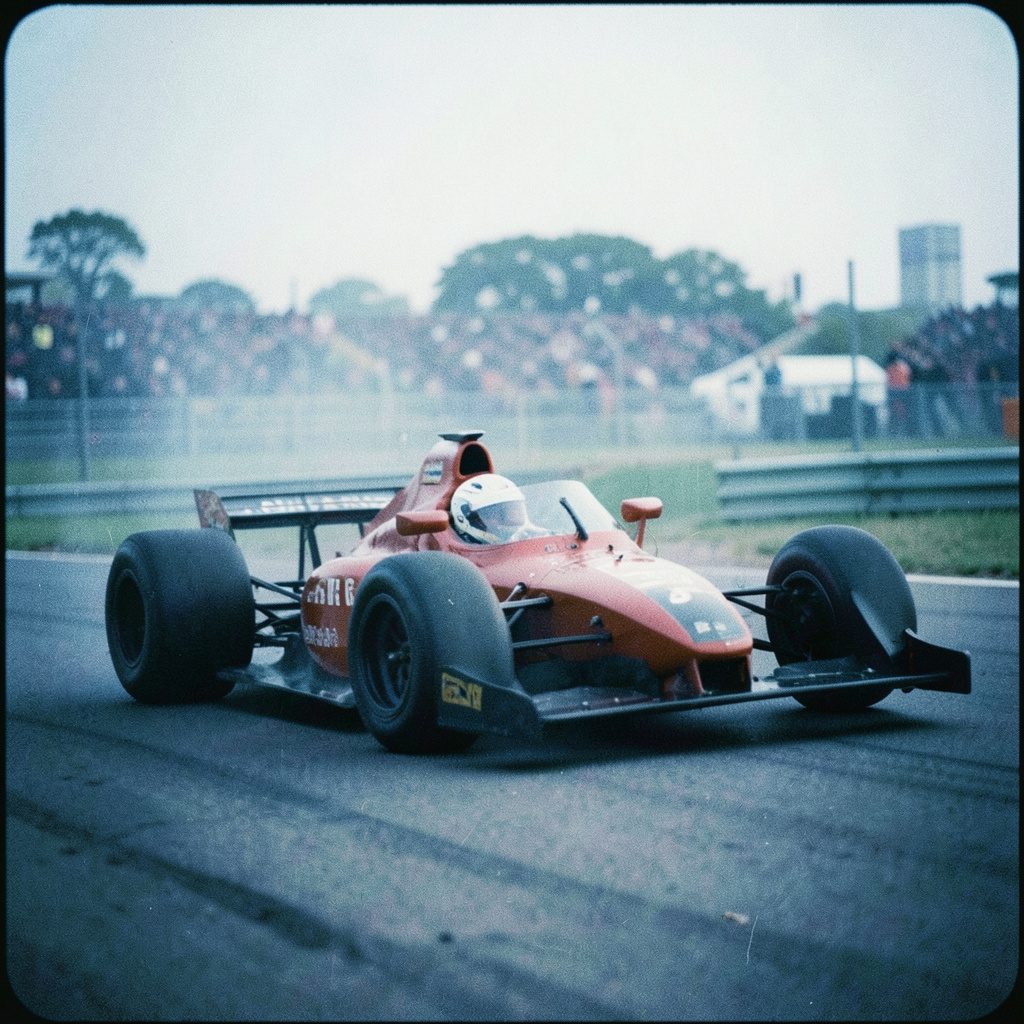
Racing makes this especially visible, since racing game fundamentals involve judging corners, opponents and the point when acceleration becomes a drain rather than an advantage. Melbourne’s spring racing carnival and Australia’s broader racing culture make that theme familiar, but the same rule applies: a fast route that leaves you without fuel is rarely the efficient route.
Pause briefly at the beginning of each level. Identify what can be collected, what must be protected and what the opponent is likely to demand. In Battleship War, for example, one well-planned volley may be worth more than several scattered attacks. In a puzzle game, saving one powerful action for the correct sequence can outperform using it immediately.
Build a balanced in-game economy
A healthy economy produces choices. Income should cover essential purchases while leaving room for an unexpected cost, such as a damaged vehicle, a blocked route or an opponent’s sudden attack. This does not require hoarding everything. Excess resources tied up in the wrong upgrades may be almost as ineffective as having none.
For older players comparing browser and app-based releases, browser game options provide another avenue to investigate. Younger players should stay with trusted, age-appropriate sources and ask before downloading anything. Regardless of format, useful game controls show costs clearly, prevent accidental purchases and work on common Australian mobile devices.
Australian players often describe testing a new system as having a crack or giving it a go. That experimental approach works well here: try an economy-first build for one round, then compare its results with a balanced approach. Regional connections and mobile data limits also encourage a practical habit—make the most of each session instead of downloading several unused resources.
Make each turn count
Time is one of the most valuable resources in a strategy game. Divide each round into gathering, positioning, upgrading and protecting. If you rush all four phases, you may run out of fuel or energy before the objective becomes reachable. A steady opening often creates stronger options later.
A useful parallel comes from keno strategy multi race, where each result affects the next decision. Spacing selections, watching the available choices and adjusting the plan after a miss are similar to managing units in a battle. The lesson is not to force one perfect sequence, but to build a rhythm that can absorb change.
Concentrate upgrades on bottlenecks. If vehicles keep overheating, improve cooling before buying a larger engine. If one unit protects an entire group, strengthen that unit rather than replacing several weaker ones. Keep a small emergency reserve for the moment when the game introduces a new obstacle, and treat that reserve as planned insurance rather than money waiting to be spent.
Compare different allocation styles
Different objectives reward different spending patterns. A puzzle may favour careful timing, while a short racing challenge benefits from immediate acceleration. Consider the length of the match, the likelihood of another round and the consequences of losing before your upgrades come online.
| Allocation style | Best suited to | Main strength | Main risk | Efficient resource use |
|---|---|---|---|---|
| Balanced build | Longer matches and new players | Steady progress across several needs | May lack a sudden advantage | Mixes upgrades, units and reserves |
| Economy first | Strategy and puzzle games | Creates more future choices | Can be vulnerable if income is neglected | Prioritises gold, fuel and income sources |
| Fast rush | Short rounds and time limits | Builds pressure quickly | Often causes overextension | Spends energy and boosts for immediate gains |
| Reserve strategy | High-score challenges | Survives unexpected setbacks | Leaves some capacity unused | Saves key resources for decisive moments |
| Risk-heavy play | Bosses and difficult challenges | Can produce a large payoff | Results may be volatile | Invests only genuine surplus |
Whichever style you prefer, judge it by outcomes rather than appearance. An impressive base with no fuel is not efficient, and a rapid opening may be smarter if the match ends quickly. Adjust the allocation after every attempt, keeping the parts that produced progress and removing purchases that created unnecessary pressure.
Use a practical plan and keep improving
Before starting, write down a simple budget and a short plan for the first few turns. During the match, check whether income is still positive, whether essential actions are affordable and whether one upgrade is blocking several others. A brief review every few turns is usually more useful than reacting to every event.
- Set aside separate amounts for movement, defence and upgrades rather than mixing every cost together.
- Check the cost and benefit of an upgrade before confirming it, especially when several buttons appear urgent.
- Prioritise the resource that causes repeated problems instead of improving everything at once.
- Keep one reserve for emergencies, but use it when the expected benefit exceeds the risk.
- Match the pace to the goal: prepare for a long match, but commit quickly in a short challenge.
- Compare two rounds after playing and retain the build that produced the better result.
That final review is where efficiency becomes a habit. Notice which resources were gathered but never used, which actions were rushed and which purchases genuinely improved the next turn. Over several rounds, these observations create a personal strategy that is easier to understand than a complicated build copied without context.
Choose a strategy, racing or puzzle game on Kizi2games, set a three-move budget before your first action and play a full round using that plan. Then check the results, keep the strongest spending rhythm and enter the next challenge ready to manage every resource with purpose.